 When it comes to corrosion, one thing’s for sure: There’s no stopping it. If there are metal pipes inside your home, they will eventually corrode.
Making matters worse, pipe corrosion usually begins out of sight. For that reason, you should be aware of corrosion’s early warning signs.
You should also know when it’s time to call for professional plumbing services — including leak detection, pipe repair, and pipe replacement.
Quick Takeaways
Among the major points in this pipe corrosion guide are the following:
- By the time you notice any pipe damage, internal corrosion has probably been happening for quite some time.
- The first signs of pipe corrosion that people notice are often water discoloration, metallic odors, and water pressure changes.
- Visual pipe checks aren’t completely sufficient; it’s easy to miss hidden symptoms of corrosion.
- Corrosion frequently leads to pinhole leaks in metal pipes. In turn, leaks can lead to mold and mildew growth, water stains, rotting wood, and other major problems.
- Professional leak detection services can confirm the presence of corrosion without damaging your pipes or anything else.
What Is Pipe Corrosion?
Pipe corrosion is the slow yet continual deterioration of a metal pipe’s surface. This process is natural and irreversible. And it often causes metal to rust, tarnish, crack, blister, bulge, sweat, and flake.
As corrosion weakens its metallic surface, a pipe’s structural integrity is diminished. Eventually, it will break.
Corrosion is caused by chemical reactions between metal and various environmental factors: water, oxygen, and soil among them. Moreover, certain substances and conditions can speed up corrosion. They include heat, friction, salts, dissolved minerals, and acidic water.
Why Detecting Pipe Corrosion Early Matters
 The sooner you take care of a corroded pipe, the less extensive the damage will be. And the longer it takes to discover a corroded pipe, the more it might cost to fix the damage.
Yes, compromised pipes can lead to surprisingly costly problems like:
- Leaks behind walls
- Warped floors
- Sagging ceilings
- Electrical hazards such as electrocutions and fires
- Infestations of pests like ants and cockroaches
- Mold and mildew growth
Not to mention, leaky pipes mean wasted water. And wasted water means higher utility bills!
How to Detect Corrosion in Pipes
With the dangers of corroded pipes in mind, how can you tell if you have one?
Well, here are several major red flags:
1. Visible Signs on Exposed Pipes
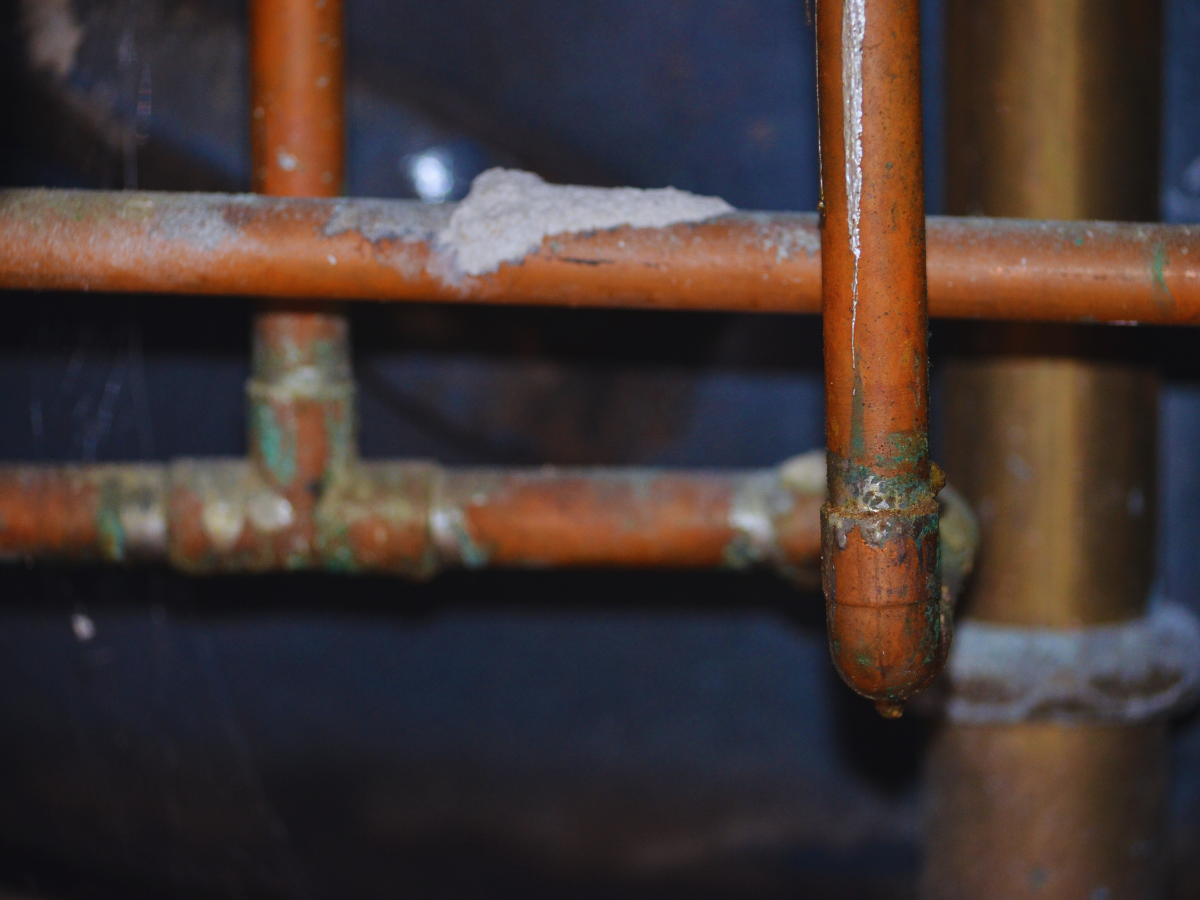
Every now and then, examine your pipes closely. If they’re corroded, they may be discolored. In particular, they might turn reddish-brown or red-orange. Copper pipes, meanwhile, may have blue-green stains on them. For their part, steel and iron pipes might have dark patches.
Additionally, corrosion can cause flaking, bubbling, and pitting. (Pitting is when metal gets small cavities on its surface.) A corroding pipe might be covered in a powdery residue as well.
2. Changes in Water Quality
If there’s rust or other corrosion-related buildup inside your pipe, it could contaminate all the water that flows through. Thus, the water may have a metallic odor or taste, and it might be discolored.
3. Unexplained Drops in Water Pressure
As rust and other byproducts of corrosion gather inside a pipe, there’s less and less room for water. Therefore, as corrosion slowly narrows a pipe’s diameter, water pressure is gradually reduced.
Moreover, if a corroded pipe breaks, it can cause a sharp and sudden water pressure drop. That’s because large amounts of water start leaking from the broken pipe.
4. Moisture, Stains, or Mold Near Pipes
Hidden pipe leaks often come with telltale signs. For instance, certain spots on your floor may be damp all the time. Mold might grow on a wall, and at least one room could smell moldy or musty.
Plus, water stains might be visible on walls or ceilings. Wallpaper and paint could bubble or peel. And you may hear water dripping or rushing even when no one’s running a faucet.
5. Frequent or Recurring Plumbing Leaks
Do certain pipes in your home keep leaking even after they’ve been repaired? An underlying plumbing issue is likely to blame — and it very well might be corrosion.
What You Can’t See Without Professional Tools
If you inspect your pipes on your own, you might see a sign of corrosion. Unfortunately, though, DIY inspections are limited. That’s because there could be pipe corrosion under your floors or inside your walls. Or you might have slab leaks, which are leaks beneath a concrete foundation.
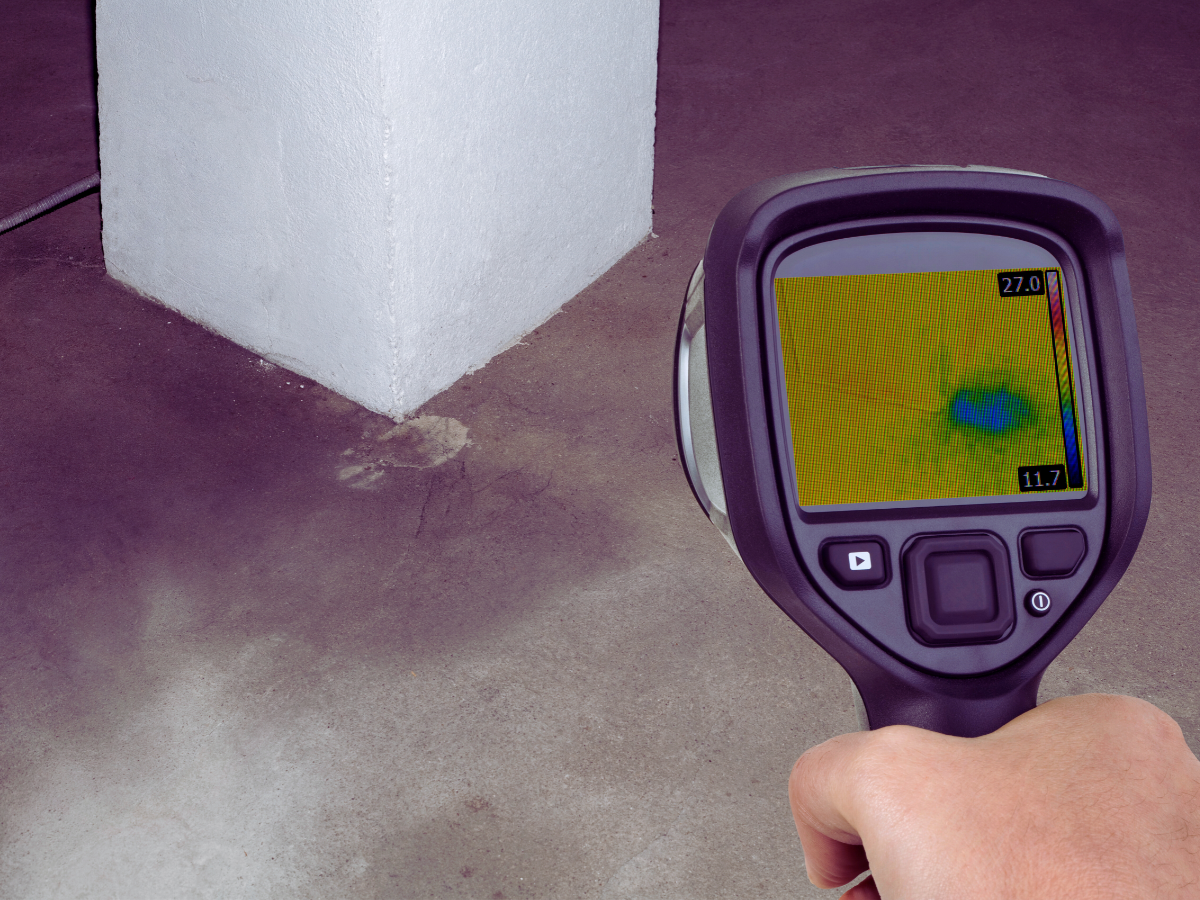
On the other hand, a professional plumber has tools for finding and identifying hidden pipe corrosion. They include high-definition videoscopy cameras, acoustic detectors, thermal imaging sensors, and ultrasonic systems.
These tools of the trade are totally noninvasive: They won’t do any damage, make any messes, or cause any other inconveniences.
Schedule Leak Detection Service in Niceville, FL
 In the end, every home needs pipes that are in good shape. After all, plumbing pipes are vital to the health and safety of an entire household.
Compromised pipes can eventually lead to unclean drinking water, harmful leaks, structural damage, electrical dangers, and a range of other serious hazards.
Fortunately, a professional could provide early detection and accurate diagnoses of your plumbing problems. That pro could then fix any and all issues, preventing costly damage in the process.
If you live in or near Niceville, FL, Benjamin Franklin Plumbing could be the answer to your corroded pipe nightmares. Just give us a call, and our punctual plumbers will thoroughly inspect your plumbing system. And, if any pipes are corroded, we’ll skillfully repair or replace them.
In short, after a visit from Benjamin Franklin Plumbing of Niceville, your whole home could be safer and more sanitary. Then you could rest easy knowing that your water and your hard-earned money aren’t leaking away, one drip at a time.