What Causes Corrosion in Copper Pipes?
Copper pipes are incredibly durable, and a common selling point is their supposed ability to last at least half a century. However, the material doesn’t last forever. It can corrode over time, and a lot of older copper piping is now showing its age.
Understanding why copper corrodes and the problems it can cause is critical to maintaining your home’s plumbing. Early leak detection is an especially important method for finding copper corrosion and stopping it before it causes costly damage.
Quick Takeaways
 Here’s a quick summary of copper corrosion basics:
- Copper pipes corrode due environmental, chemical and installation factors.
- The chemistry of the water that touches the copper piping is the biggest factor.
- Corrosion usually starts inside the pipe, so you don’t know it’s there until it becomes really bad.
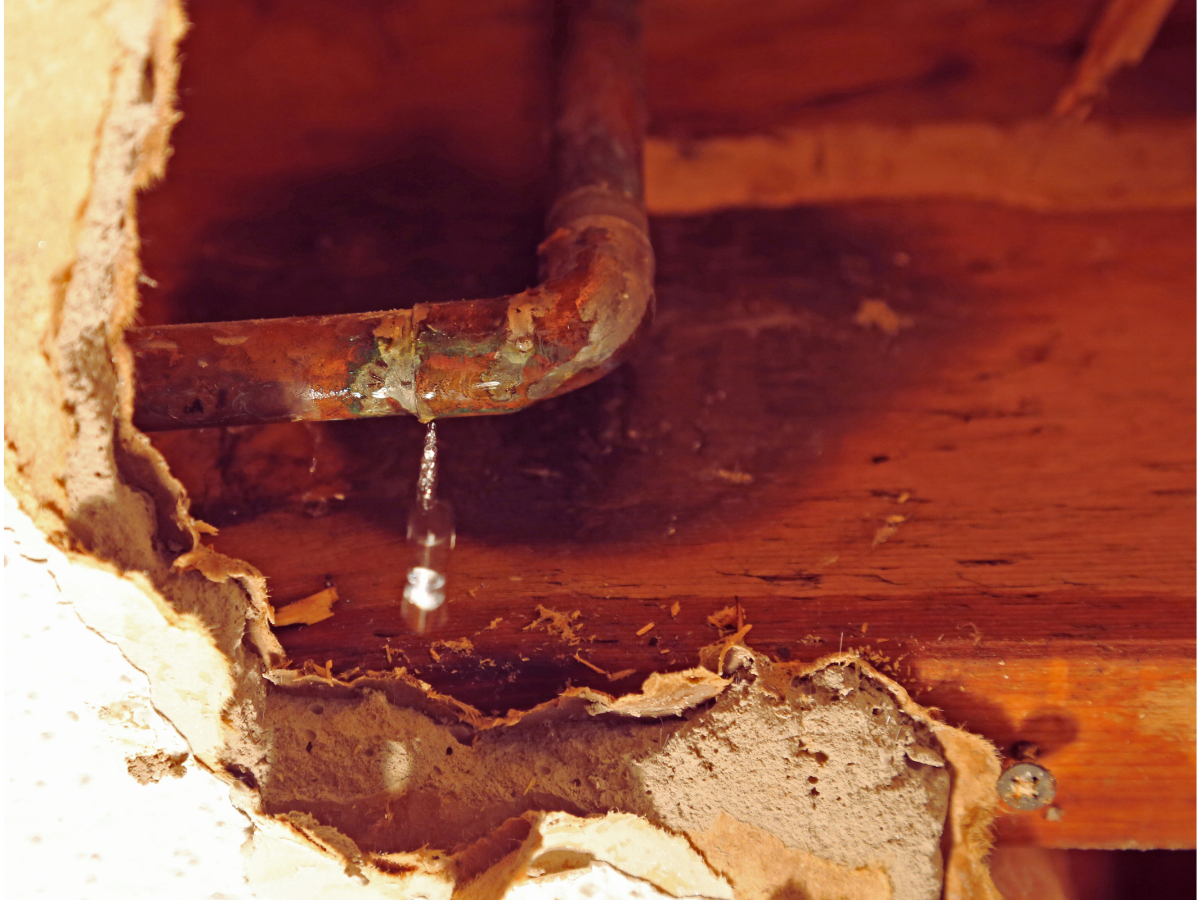
- If the corrosion forms pits in the metal, that can lead to pinhole leaks in the pipe.
- One way to find copper corrosion before pipes fail is with early leak detection.
What Is Copper Pipe Corrosion?
Corrosion is the deterioration of a material, creating a weakened state that allows the material to break or otherwise fail. When copper comes into contact with certain chemical compounds or elements, the molecules in the metal undergo a chemical reaction.
The reaction produces new chemical compounds, some of which form that bluish-green material (“patina“) you sometimes see on very old faucets. But that patina hides damaged copper that’s now a little weaker than before. The copper corrodes a little more each day until part of it becomes too weak to stay intact.
What Causes Corrosion in Copper Pipes?
The causes behind copper pipe corrosion, specifically, range from contact with chemicals and electrical currents to bad installation and bad manufacturing. And in many cities, copper pipe corrosion is increasing due to chemicals those cities add to increase drinking water safety.
1. Acidic or Aggressive Water
Water can be on either the alkaline or acidic side of the pH scale. When water is more acidic, it can remove copper molecules from the interior of the pipe.
The more acidic the water, the more aggressive the corrosion. This can increase the amount of copper in the water, occasionally to unsafe levels.
2. High Water Velocity or Turbulence
Water that travels through the pipe at higher speeds or that’s more turbulent can actually erode some of the copper molecules over time. The narrower the pipe, the higher the pressure, which in turn increases water velocity.
3. Mineral Content and Water Chemistry
You know that hard water can deposit a layer of scale on the inside of the pipe. While that scale might block the effects of some causes (e.g., protecting the copper from high-velocity water), it can also serve as a starting point for corrosion if the layer becomes too thick.
But even soft water can be a problem if it contains certain chemical compounds. Drinking water treatment plants use chemicals like chloramines to purify water. These are chlorine-ammonia compounds that, along with aluminum sulfate and a range of other chemicals, purify water and remove contaminants. They also have the unexpected effect of being more corrosive to copper piping.
Poor Installation or Pipe Damage
If the plumbers who installed the copper piping did so incorrectly, then the pipes could be at risk of accelerated corrosion. This is due to things like exposure to acidic flux (used in welding pipes) that the plumbers didn’t clean up well.
Sometimes a plumber forgets to “ream,” or smooth out, pipe ends, and the rough material increases water turbulence. That turbulence increases the risk of corrosion. Physical damage to the pipe can also increase turbulence.
4. Stray Electrical Currents
Older homes used to be grounded through plumbing. This meant that the ground for the home’s electrical system actually used metal plumbing pipes instead of grounding rods. This is no longer acceptable according to building codes. However, if you have an older home, the electrical system may still be connected to the plumbing.
When random currents travel down to the earth through the pipes, that can erode the copper by removing ions. This is a process called electrolysis.
6. Age and Natural Wear
Finally, some corrosion is expected after many years of exposure to water and oxygen. Copper piping has a long but finite lifespan, and if nothing else damages the pipes, eventually they’ll just become too old and corroded to continue using.
Types of Corrosion That Affect Copper Pipes
Copper pipe corrosion appears as one of a few different types. One is pitting corrosion, in which the corrosion gets much worse in small spots. Instead of a patch of worn-down copper, you see all these little pits in the surface. Pitting corrosion can lead to pinhole leaks and often forms in the presence of chemical compounds.
Another type is uniform corrosion. This is when the corrosion appears as a patch of relatively even deterioration on the surface. It forms when copper reacts with water, especially acidic water.
Erosion corrosion is a third type. This occurs when the copper comes into contact with high-velocity water or turbulent water that physically wears away the metal like water can wear down a rock.
Signs Corrosion Is Damaging Your Copper Pipes
 You don’t have to wait for the pipes to fail before detecting copper corrosion.
Look for the following signs:
- Blue-green stains on plumbing fixtures
- Water that tastes metallic
- Discolored water
- Pinhole leaks or damp spots that indicate something’s leaking
- Unexplained drops in water pressure
Why Copper Pipe Corrosion Leads to Leaks
Copper corrosion leads to leaks because the metal either becomes too weak to contain the water, or it finally corrodes completely through and creates an opening. The copper corrodes over time through whatever mechanism is present. Eventually, that corrosion eats away at the last layer left in a particular spot.
If there’s a lot of water pressure, the water could break through a spot that corrosion has worn thin. This doesn’t have to be a catastrophic pipe failure; it can be a tiny pinhole leak.
This is why early leak detection is so important. You aren’t going to know a pinhole leak is present until it becomes bad enough to leave stains or affect water pressure.
How Leak Detection Helps Catch Corrosion Early
Early leak detection is essential for protecting copper pipes and everything around them. First and foremost, of course, leak detection actually identifies hidden leaks. It shows you where they are so that you can fix them.
Leak detection also helps you plan plumbing work more efficiently. Instead of opening up a section of wall to access pipes and finding a surprise leak, you get advance notice. You can then plan the work around the repairs.
Early leak detection is non-invasive. Plumbers won’t have to open up the wall in several spots to try to get visual confirmation. Instead, the plumbers use tools to detect sounds or pressure changes that indicate a pipe has a leak. Finding leaks early also reduces structural damage.
Frequently Asked Questions
Copper pipe corrosion often remains hidden for a long time, and we want you to know what goes into fixing it.
What is the most common cause of corrosion in copper pipes?
Water chemistry is among the most common causes, if not the most common cause. The increase in the use of water purification chemicals for drinking water safety is unfortunately contributing to an increase in corrosion, too.
Can copper pipes corrode from the inside?
Yes, copper pipes can corrode from the inside. Many causes of copper corrosion have to do with water chemistry or water flow. Corrosion due to those causes will always start inside the pipe, where the water contacts the metal.
How long do copper pipes last before corrosion starts?
There’s no set amount of time before corrosion can begin. Corrosion depends on too many factors to give a definite time frame in which the metal remains untouched.
Is copper pipe corrosion dangerous?
Copper pipe corrosion can be dangerous for a couple of reasons. One is that, if the copper is leaching into the water, then the level of copper in the water could reach levels that are dangerous for your health if you drink the water. Corrosion that leads to leaks can eventually promote mold growth and structural damage in your home, too.
Should corroded copper pipes be repaired or replaced?
Yes, corroded copper pipes should be replaced. There are some repair techniques that can stop leaks without replacing the pipes. However, if the conditions that created those leaks continue, then more leaks may form later.
Schedule Leak Detection Service in Niceville, FL
 Don’t ignore the possibility of corrosion if your home has copper pipes. Contact Benjamin Franklin Plumbing for early leak detection services.
We offer accurate diagnoses that are key to preventing further damage to your home. We serve Niceville, FL, and the surrounding area. We’re Niceville’s punctual plumbers, so give us a call if you have copper pipes that need an inspection!