A toilet flange is a critical component in the overall system. It connects the toilet to the drain pipe. By virtue of how it connects, the flange also secures the toilet and stabilizes it. Likewise, the flange holds up the wax ring that seals the connection between the toilet and the pipe.
The right flange height is essential. A flange that’s too high might lead to a rocking toilet, and one that’s too low may produce an insufficient seal that leads to leaks and smells. Knowing how high the toilet flange should be is important to a waste system’s basic functionality and comfort when in use.
Quick Takeaways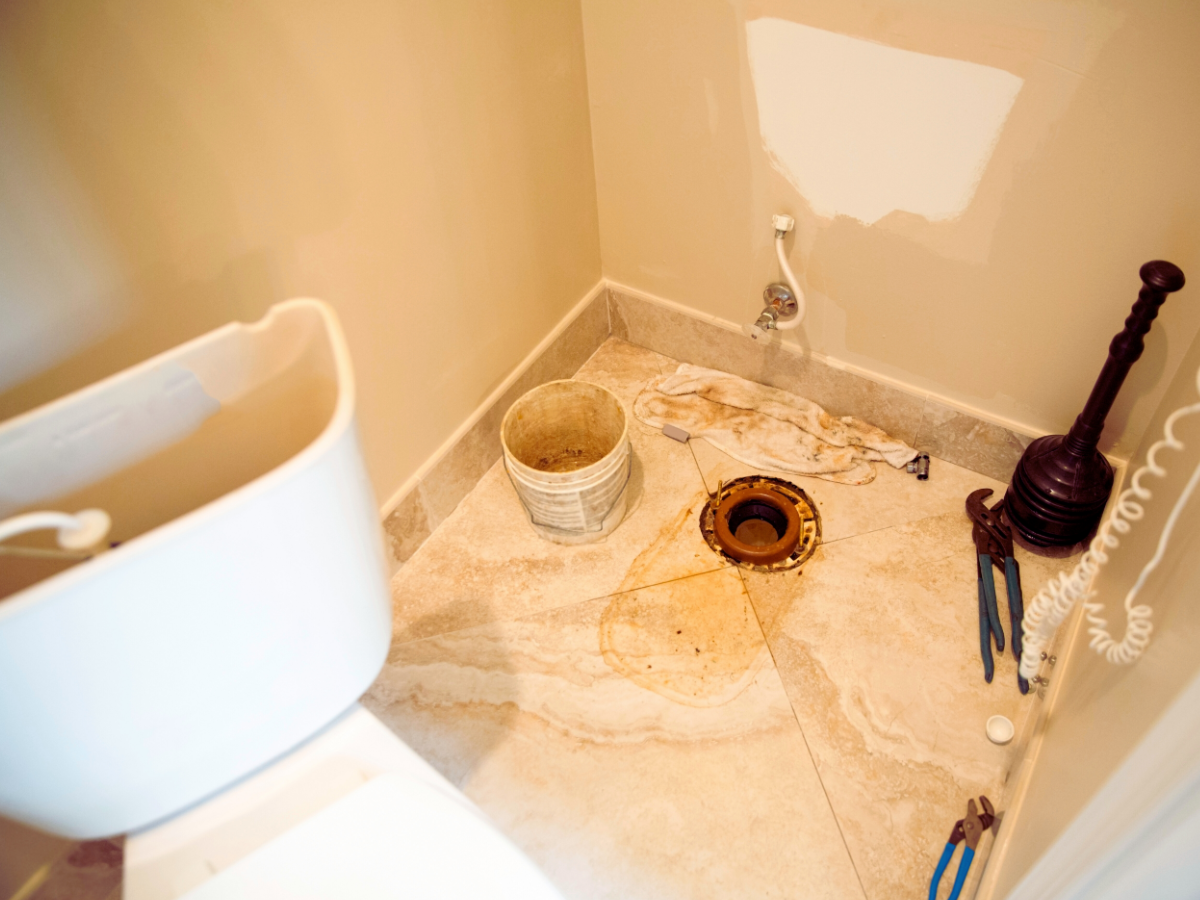
- The ideal toilet flange height is flush with the finished floor to ¼ inch above it.
- Position the flange on top of the finished floor, not the subfloor.
- A low flange encourages leaks and wax ring failures.
- High flanges rock and may produce a poor seal.
- Flange extenders exist to correct minor differences with floors, toilets, and pipes.
- Serious flange damage, such as cracking, requires professional toilet repair.
How High Should a Toilet Flange Be?
The correct height is flush with the floor and no more than a ¼ inch above it. At the correct height, the weight of the toilet presses onto the flange and the wax ring, making sure the seal is tight.
A good seal also ensures that gases from the pipe don’t rise into the bathroom. If the height is too high, the toilet rocks or moves.
Why Toilet Flange Height Matters
Flange height is fundamentally about making sure the base of the toilet can do its job the right way. Wax ring compression needs to be even, and a rocking toilet with a high flange doesn’t allow this. Likewise, a low flange doesn’t apply enough pressure. Wax rings are single-use, so you can’t recompress them to fix the flange.
Ultimately, you want the combination of the flange and the wax ring to prevent leaks. Also, it keeps gases from the sewer from feeding back up the pipe.
What Happens If a Toilet Flange Is Too Low?
A too-low flange happens when the pipe or the flange is too far below the floor level. This can happen after subfloor repairs change the height of the floor, for example. Poor installation of the toilet or the flooring can cause problems.
A low flange never has enough wax ring pressure to do the job. Therefore, the ring doesn’t properly compress and seal. That means leaks and smells.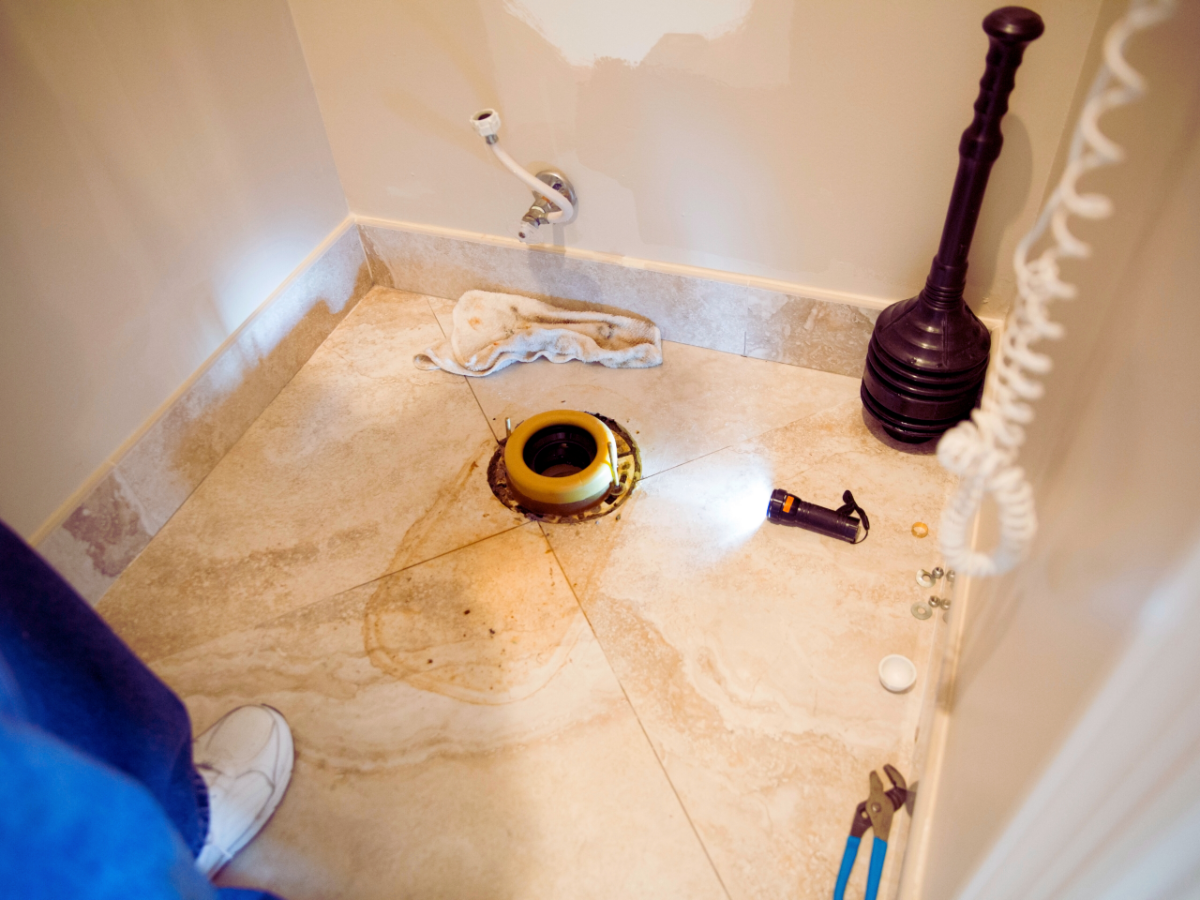
Signs a Toilet Flange Is Too Low
Homeowners should know the signs of a low flange.
- Repeated wax ring failures
- Water leaks around the toilet base
- Toilet movement or wobbles
- Sewer odors
What Happens If a Toilet Flange Is Too High?
A too-high flange creates multiple problems, particularly because rocking can damage the flange, the drain, and the floor. Notably, the toilet can damage the bolts and other mounting components. The toilet may also over-compress the wax ring.
How to Fix a Toilet Flange That Is Too Low
Flange extender rings and spacer kits are the go-to solution for a toilet flange that’s too low. A double wax ring is sometimes viable, but this is less ideal than an extender.
If the flange has corroded, cracked, or sunk too far below floor level for an extender to work, replacing the flange is the ideal solution.
How to Fix a Toilet Flange That Is Too High
The first question is whether there might be a floor obstruction to remove. If the flooring material was too thick, for example, thinner flooring might be the answer. Adjusting the mounting hardware sometimes helps, too.
Resetting the flange is another option. In many cases, a plumber can re-glue an undamaged flange at a lower point. It may also be possible to trim the flange and then install a new wax ring.
Common Toilet Flange Installation Mistakes
Installing the flange in the subfloor instead of the top of the flooring is the single most common misstep. During new construction or renovations, people don’t accurately account for how the subfloor and flooring materials will come together. This throws off the flange height.
Bad anchoring also causes trouble. Degraded screws can ruin support even for a properly installed anchor. The bolts may also be off. Likewise, the connection to the subfloor could be poorly sized or not fully anchored.
The wrong wax ring thickness will cause issues, too. Depending on the difference between the ring and the flange height, a thicker ring might be necessary.
Finally, people ignore damaged or cracked flanges. Bolts can crack under stress. Cracked or corroded flanges may fill. Remodelers sometimes tap bolts to protect them and then forget to remove the tape before reattaching the toilet.
When to Call a Professional Plumber
The flange is one of the more serious components in a waste system, and you should strongly consider hiring a professional plumber to make sure it’s connected properly.
Several issues make it particularly important to work with a pro, including:
- Broken or corroded flanges
- Anything involving a cast iron flange
- Severe leaks under the toilet base, especially if persistent
- Recurring wax ring failures
- A flange installed below the tile or flooring
FAQs – Toilet Flange
Should a toilet flange sit on top of tile?
Yes, the flange should always sit on top of the tile. Notably, this means tile installation comes before flange installation. This is the only way to be sure about the flange height.
Can a toilet flange be level with the floor?
Yes, the flange can be flush with the floor. The only difference is that a plumber may want to install an extra-large wax ring.
How far above the floor should a toilet flange be?
¼ inch above the floor is fine. A higher elevation will encourage rocking and poor wax sealing.
Can a toilet flange be too high?
Yes, a high toilet flange will cause the toilet to either rock or sit unevenly.
What happens if a toilet flange is below the floor?
The wax ring won’t have enough pressure to seal properly. This causes water leaks and sewer gas backups.
Need Help Fixing a Toilet Flange?
 Benjamin Franklin Plumbing is here to help homeowners from Niceville, FL, and the surrounding areas deal with flange height problems. If you notice a rocking toilet, leaks, or the smell of sewer gas, then the flange is a possible culprit.
We employ licensed plumbers who can address your toilet issue right away. Even a small flange issue can lead to serious water and flooring damage. Contact the punctual plumbers at Benjamin Franklin Plumbing right away if you suspect a flange issue in your Niceville, FL, home.