A toilet flange is the part of the system that connects the toilet itself to the pipe fitting. It includes anchors with rust-resistant screws to ensure stability. There is also a wax ring around the mounting point to ensure a tight seal to prevent leaks and odors.
One of the most common homeowner mistakes is assuming all flanges are interchangeable. Sizes, materials, and installation methods vary across flanges. Worse, using the wrong flange can make the toilet unstable and even prone to leaking. This is a common problem that appears in houses years later, especially after DIY projects. Getting the flange right is a critical part of making sure the toilet is comfortable and doesn’t cause water damage.
Quick Takeaways
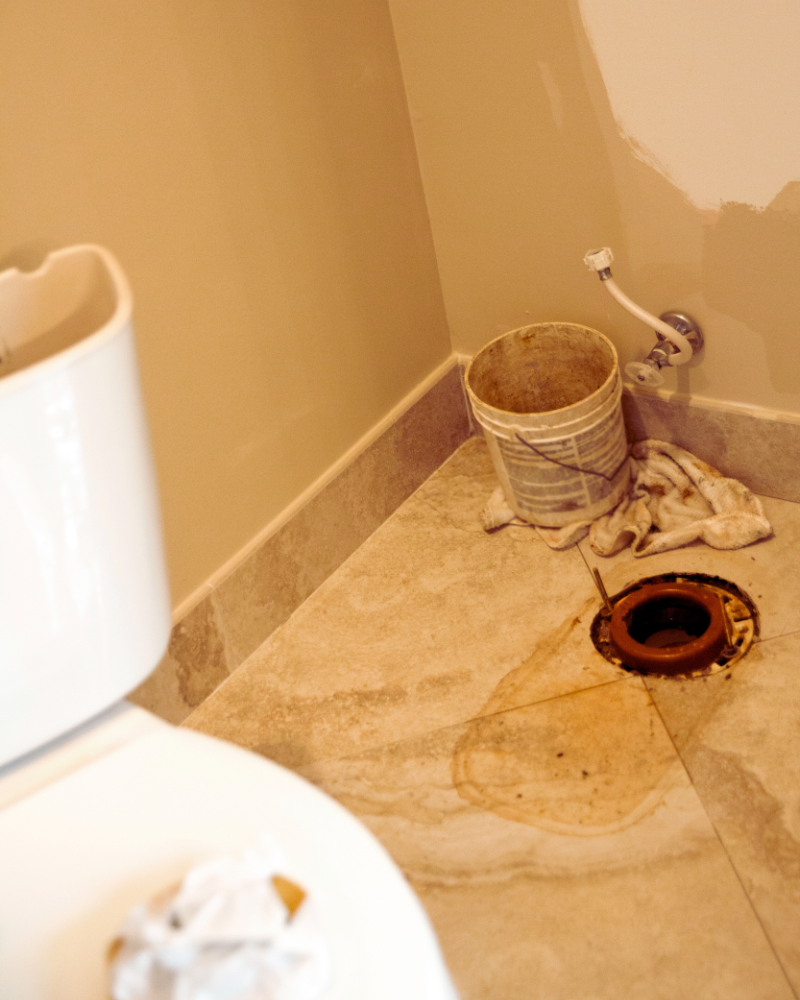 Toilet flanges are not universal. They come in different sizes and configurations depending on the drain.
- Most residential drains use 4-inch pipes, but some older homes have 3-inch drains.
- Flanges vary based on pipe size, materials, and installation type.
- Repair flanges exist to deal with damaged or low-sitting pipes.
- Incorrect sizing causes leaks, rocking, and wax ring failures.
Are All Toilet Flanges the Same Size?
No, toilet flanges typically come in either 4- or 3-inch models. Some flanges serve as dual-fit, meaning they can fit both sizes.
Also, always be aware that there is no true universal flange. Confirm the pipe materials, size, and configuration before moving ahead with a project.
Standard Toilet Flange Sizes
The 4-inch design is the closest thing to a standard model there is. Many modern flanges are designed to either fit inside a 4-inch pipe or around a 3-inch one. You will find 3-inch drains more commonly in older houses, and there are dual-fit options.
What Determines Toilet Flange Size?
The flange has to be physically compatible with the pipe, whether it goes over or sleeves inside. Ultimately, this makes diameter the biggest factor. Flooring height and installation method are also important because the entire assembly has to be compatible with the floor.
Repair is also a factor. During initial installation, you can maximize compatibility. However, it is common to encounter mixed designs, such as PVC sleeved into iron pipe. Ultimately, the whole thing has to fit together tightly enough to prevent leaks and rocking.
Types of Toilet Flanges You May Encounter
Materials are the most common difference in today’s plumbing systems. PVC and ABS flanges are solvent-welded and similar to plastic. Note that they are not interchangeable.
Cast iron flanges use a gasket-and-fastener system instead of solvent welding. Brass flanges also exist, and they typically use lead and solder.
Signs You May Have the Wrong Size Toilet Flange
The toilet rocking or shifting is the big giveaway that the flange is either the wrong size or incorrectly attached. The right flange should lead to zero play in the toilet.
You may also notice repeated problems with the wax ring failing. This is because the wax is the material that suffers the cost of a bad fit. As the toilet rocks, the wax ring gets beaten around.
Water leaking around the seal is another indicator. If the flange has cracked, was installed at the wrong height, or is incorrectly sized, water may leak. The wax ring may make up for an improper seal for a while, but months or years later, a leak will occur.
Finally, sewer odors tell of a leak. If gas is escaping, there’s a good chance it’s coming through what should be a sealed flange.
How to Identify the Size of Your Toilet Flange
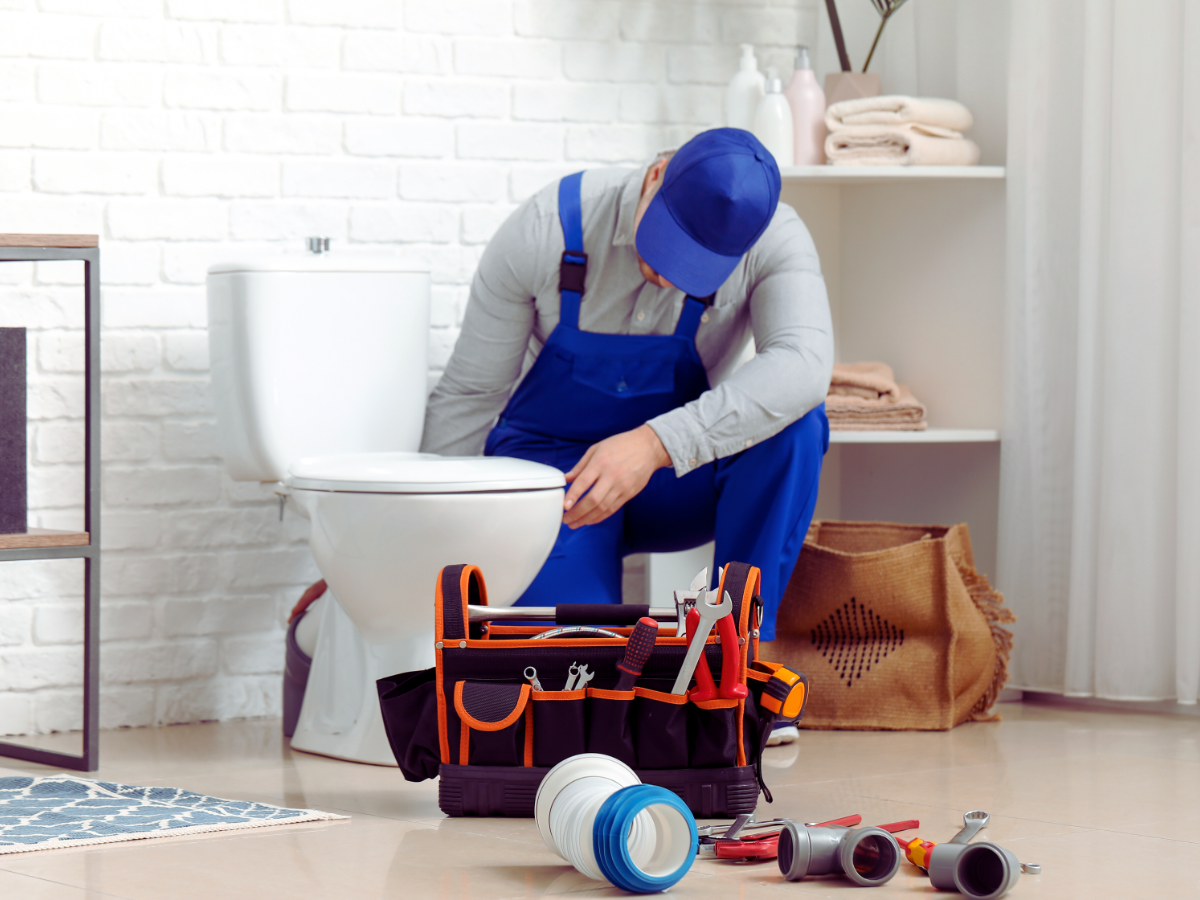 An old-fashioned measuring tape is your best friend. The measurement for a drain pipe should be its inner diameter. You can also take the current flange with you to the hardware store to make a comparison.
Materials-wise, PVC is white plastic, and ABS is black plastic. Cast iron tends to be dark gray or black. It also tends to be heavy. Copper and brass look golden-orange or yellow. You may also find a gray soft metal in an old house, and this is lead.
Check the flange mounting to make sure you’re buying the right type for your toilet. Also, look for any identifying marks from the manufacturer.
How Plumbers Fix Toilet Flange Size Problems
Plumbers have several common solutions for improperly sized flanges.
- Flange extenders are especially useful for low flanges, particularly ones that have shifted.
- Repair rings install over cracked or broken flanges.
- Replacement flanges require removing the flange portion of the assembly and putting in a new one.
- Adapters can adjust a flange’s size to make it work with the existing size of the drain pipe.
When to Call a Plumber for Toilet Flange Issues
If you see a cracked or broken flange, it’s probably time to call a plumber. The same applies if you see deteriorated or broken bolts. Cast iron flanges particularly tend to require professional cutting and replacement.
Recurring toilet leaks are another sign. This is especially true if leaks persist after you’ve replaced the wax ring and flange. Watch for improper installations, especially after remodels.
Likewise, watch for subfloor damage around the base of the toilet. Repairing the subfloor may be necessary before proceeding with other work.
FAQ’s – Toilet Flanges
What size is a standard toilet flange?
The typical modern home has a 4-inch drain with a matching flange. However, some old houses have 3-inch drains.
Can a toilet flange fit both 3-inch and 4-inch pipes?
Yes, dual-fit flanges exist. This is the most common configuration.
How do I know if my toilet flange is the wrong size?
A rocking toilet and leaking water at the toilet base are the two most common signs. The floor may be soft if the leak gets into the subfloor, and you’ll feel that underfoot. Sewer odors might also appear.
Are toilet flanges universal?
No, while bolt spacing and pipe diameter are similar enough that you might get lucky with just a guess, the differences in materials and diameters mean there are no universal solutions. Be especially mindful of compatibility issues across types, such as incompatibility between PVC and ABS.
Can I replace a toilet flange without removing the toilet?
No, the toilet has to come out to access the flange. It is also wise to assess the subfloor and the drain to be sure there aren’t other problems.
Need Help Fixing a Toilet Flange?
 Benjamin Franklin Plumbing’s punctual plumbers are ready to assist folks in Niceville, FL, and the rest of the Emerald Coast. Our licensed plumbers can address rocking toilets, sewer smells, and leaks that might arise from a flange issue.
Never ignore a toilet leak. For want of a small flange fix, your home could suffer thousands of dollars in water damage and drain repairs.
Contact Benjamin Franklin Plumbing right away if you need toilet repairs in a Niceville, FL.