Clogged drains are a nuisance, and they invariably happen when it’s least convenient. Despite your best efforts to avoid them, they’ll sometimes happen. Is there any method for avoiding a clogged drain? Although no method is foolproof, hydro jetting is one of the best ways to ensure your drains remain free-flowing.
This article will introduce you to the concept of hydro jetting, what to look for when a drain is about to clog, the types of clogs hydro jetting can eliminate, and when to consider hydro jetting rather than other methods.
Quick Takeaways
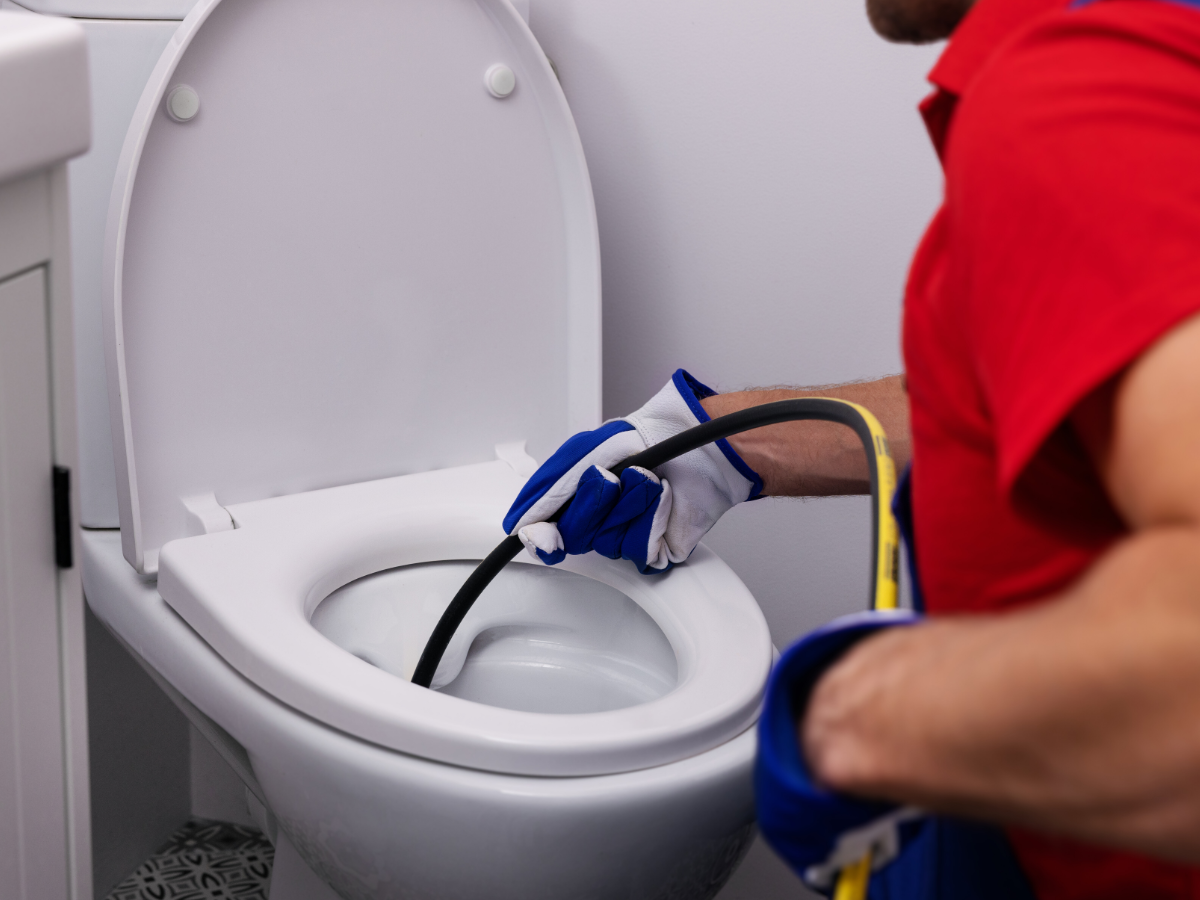 Hydro jetting uses high-pressure water to clear the drain and sewer pipes as it cleans them. It doesn’t use chemicals or toxic substances, just water.
- Hydro jetting cleans the pipes better than traditional snaking procedures, and there’s no chance of metal damage to the pipes.
- Camera inspections before commencing work will determine if hydro jetting is appropriate for your pipes, especially older pipes.
- Hydro jetting can help prevent future clogs and backups.
- Stubborn debris, grease, mineral accumulation, sludge, soap scum, and tree roots can all be removed by hydro jetting.
- Slow drains and recurring clogs are ideal candidates for hydro jetting.
What Is Hydro Jetting?
Hydro jetting is a plumbing technique that’s used to clear clogs, stoppages, and backups from both residential and commercial buildings. It uses a stream of high-pressure water – from 2,000 to 4,000 psi – to clear and clean the pipes. No chemicals or toxic substances are used.
The pressurized water stream ensures safety, and the process is environmentally friendly. Since the pipes are cleaned as they’re cleared, hydro jetting reduces the likelihood of future clogs or blockages. When used annually or every couple of years, clogs and blockages can be substantially reduced or eliminated.
For commercial applications, hydro jetting, also known as hydro-blasting, is safer and more effective for removing asphalt residue from silos used in paving and infrastructure projects.
Which Types Of Clogs Can Hydro Jetting Remove?
1. Fat And Grease Accumulation
When you pour grease down your drain, even if the grease is liquid at the time, it will eventually congeal and create a potential blockage. Other substances and food residue can become trapped in the grease as it congeals, so over time, it will reduce the usable diameter of the pipe, and you’ll eventually have a clog.
Whether it’s bacon grease, liquid cooking oil, or any other type of fat, the result will be the same. You’ll have a clogged drain, and you’ll have the choice between a snake and hydro jetting. Although a snake may already be at hand and provide immediate, if temporary, relief, you’ll likely have another clogged drain in the future.
Hydro jetting, however, cleans the drain as it clears it, so the likelihood of developing another blockage is substantially less.
2. Tree Roots
If you have a small crack in your sewer line or a loose joint, no matter how small, tree and plant roots will eventually find it and enter your pipes. Over time, you’ll need to clear the blockage. If you notice any of the following:
- Gurgling toilets
- Multiple slow or clogged drains
- Sewer odors
you should probably schedule an appointment with one of our punctual plumbers. Hydro jetting can remove roots and debris from your pipes, clearing them quickly. Cleaning the inside of the pipes lessens the likelihood of another blockage.
3. Bathroom Sludge And Soap Scum
Much of the stuff we put down the bathroom sink, the toilet, and the bathtub was not meant to go there. The result can be a clogged drain or toilet. Toothpaste, body scrubs, makeup residue, and soap scum can reduce the diameter of your drains and cause them to drain more slowly.
Makeup remover pads, cotton balls, Q-tips, hair from your hairbrush, feminine products, paper towels, and facial tissue weren’t designed to go in the toilet. Rather, they’re supposed to go in the trash can. Otherwise, you’ll have a clogged toilet.
If you have slow drains or a clogged toilet, hydro jetting can remove these substances, restoring free-flowing drains and toilets. Just remember not to repeat these habits so your drains don’t get clogged again. Paper towels and facial tissue are designed to hold together.
Toilet tissue is designed to disintegrate after use, so use it only in the toilet rather than paper towels or facial tissue. If you have clogged or slow drains in your bathroom, call one of our punctual plumbers, and we can restore functionality to your bathroom.
4. Hair Clogs
Hair and soap scum together can create a formidable blockage, whether in your sink, tub, or toilet. Soap scum can bond with loose hair, cementing it together. Avoid putting hair down any of your bathroom drains or the toilet to avoid clogged drains.
5. Food Waste And Organic Debris
Although many people think their kitchen sink is an extension of their kitchen trash bin, that’s not the case. Coffee grounds, food scraps such as egg shells, potato peelings, vegetable peelings, and so forth, can latch onto any grease that’s in the kitchen drain or disposal and create a monumental blockage.
It doesn’t have to be a lot of grease either. Over time, small amounts will accumulate, bind together, and create an impasse. Hydro jetting can clean grease and other debris as it unclogs your drain, so you’ll have a clear drain quickly.
Use your trash can for its intended purpose if you want to keep your drains flowing freely. If you need a drain clog removed, then call one of our punctual plumbers, and we’ll have you clog-free in no time!
6. Sewer Line Sludge And Years Of Buildup
Especially if you have an older home, years of accumulated sludge in your sewer pipes can clog your pipes, seemingly without warning. If you have recurring clogged or sluggish drains or gurgling toilets, you may need to proactively have your sewer lines hydro-jetted. This can remove the accumulated sludge and ensure your drains and pipes remain free-flowing. Call one of our punctual plumbers for help.
Signs Your Clog May Need Hydro Jetting
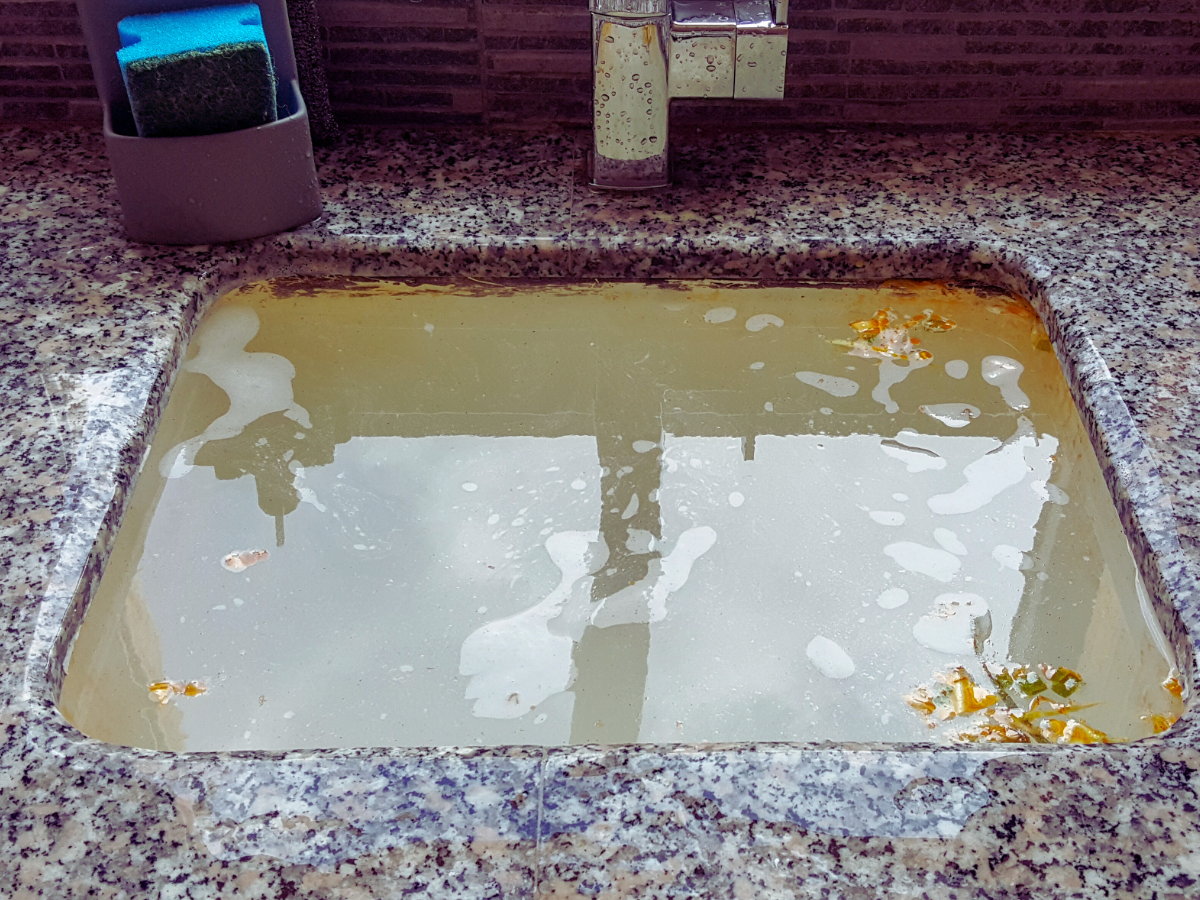 Your drains will let you know if they’re ready to clog, so if you notice any of the following, you might need hydro jetting:
- Frequent drains backed up
- Sewage odors
- Gurgling noises, especially in toilets
- Standing water near floor drains
- Recurring clogs after snaking
- Multiple slow drains
- Water backing up in tub or shower
Any or all of these problems can indicate the need for hydro jetting, especially when snaking doesn’t work, or the drains keep backing up.
Hydro Jetting vs Drain Snaking
Snaking can work well in some instances and is less expensive than hydro jetting if you have older, corroded, or fragile pipes, or if it’s a one-time issue. A plumbing snake pokes a hole in the clog, but doesn’t clean the pipes.
Hydro jetting, however, removes the clog and cleans the pipe, reducing the chance of debris that could cause a clog. Usually, hydro jetting every year or two keeps your drains free-flowing, and you’ll avoid the inconvenience of backed-up sewer lines.
Is Hydro Jetting Safe For All Pipes?
If you’re having sewer line or drain problems, a professional inspection can help you decide which solution will work best for you. Although hydro jetting is great, older, damaged, or fragile pipes may not be good candidates for it.
Your plumbing professional can examine them with a camera and recommend the best solution. They can determine if your pipes can withstand the pressure needed for hydro jetting and the best resolution for you.
Why Does Hydro Jetting Help Prevent Clogs?
Hydro jetting cleans the inside of your pipes so there’s nothing to accumulate future debris. You’ll also avoid the need for harsh, environmentally damaging drain cleaners, and you’ll eliminate future clogs.
FAQ
Does hydro jetting completely remove tree roots?
There are some instances where hydro jetting may not be entirely successful, such as when there’s severe structural damage. It also doesn’t remove rocks, concrete, or other types of solid debris.
Hydro jetting will remove all the roots in your lines, but it won’t prevent them from growing back, so you’ll need other measures to ensure the roots don’t grow back. If the roots have damaged the pipes, the lines will need to be repaired.
Can Hydro Jetting Damage Pipes?
If your pipes are old, fragile, or damaged, hydro jetting can damage them due to the water pressure. However, your punctual plumber will use a camera to inspect the lines and ensure that they can withstand hydro jetting.
How Long Does Hydro Jetting Last?
The length of time a hydro jetting treatment lasts depends on several factors, such as the habits of the homeowner, the degree of usage, and proper maintenance. For the average homeowner, it should last from one to two years.
Does Hydro Jetting Work On Kitchen Sink Clogs?
Yes, hydro jetting works well on kitchen sink clogs, and because it cleans the inside of the pipes, it reduces the likelihood of recurrence. However, if you pour grease down the sink and continue to avoid using the garbage can, you may experience another blockage.
How Do Plumbers Know If Hydro Jetting Is Needed?
Your punctual plumber has a camera and several other diagnostic tools to determine if hydro jetting is the best solution for your pipes.
Why Homeowners in Niceville Choose Hydro Jetting for Tough Drain Problems
 If you live in Niceville, FL or the surrounding areas, and need hydro jetting services, our punctual plumbers can help. Our motto is “When stubborn clogs refuse to quit, our punctual plumbers bring the pressure.”
We believe you shouldn’t have to deal with recurring drain problems and clogs. We’ve earned the reputation of being one of the best in the area, and we’re sure you’ll be happy with our service and your free-flowing drains! Call us today and let us help you!