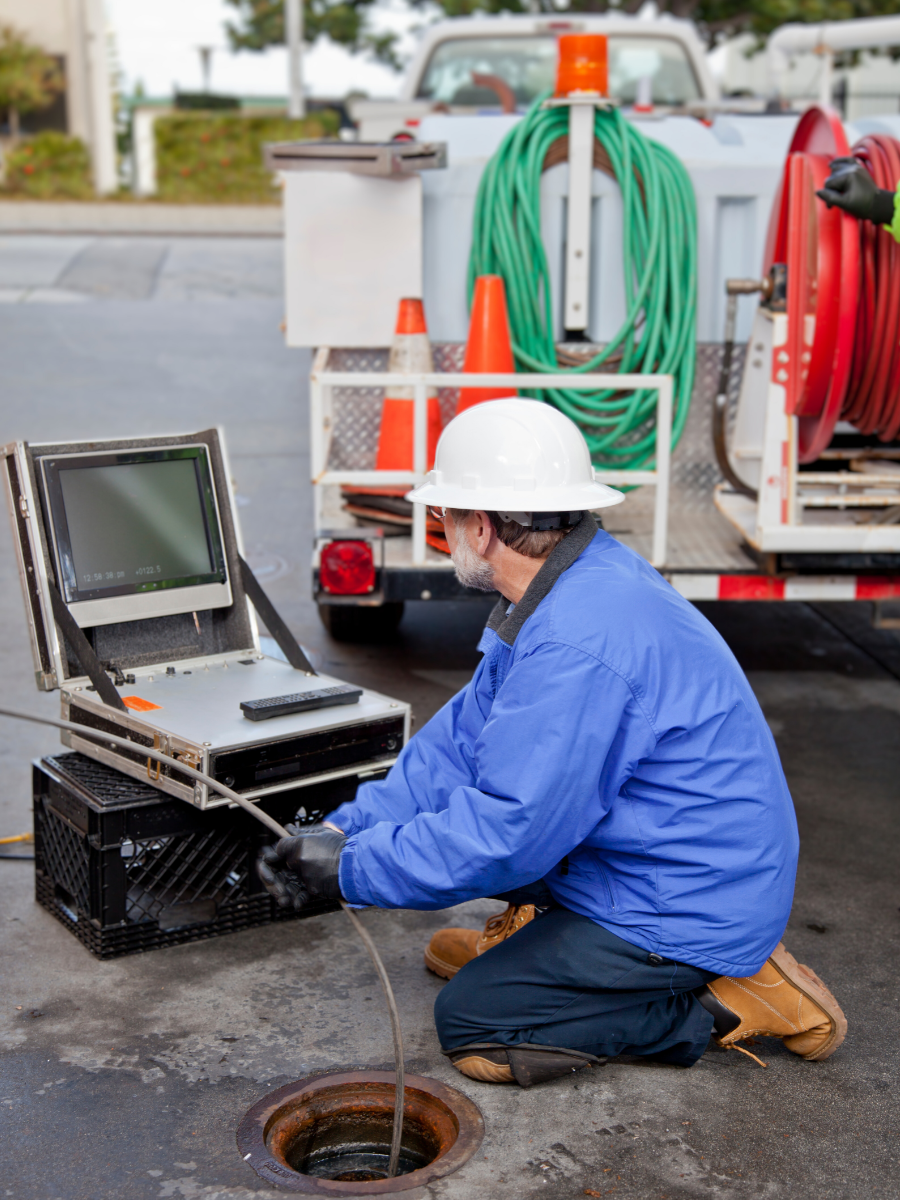
 If you’ve ever dealt with a sewer line backup at your home, you already know it’s one of the biggest headaches a property owner can face. Backups often seem to come out of nowhere, and cleaning up the resulting mess can take numerous hours and thousands of dollars. Subsequent backups may even happen if the underlying problems aren’t adequately dealt with the first time.
However, while sewer line backups can seem sudden and unexpected, they seldom arise without prior warning. By the time a sewer line backs up into a structure’s plumbing fixtures, numerous problem signs have usually occurred. These signs may include:
- Slow drains
- Recurring clogs
- Sewage odors
- Water backup into tubs or floor drains
- Unexplained exterior dampness or standing water
These all-too-common complaints are among the initial indications that material has started building up inside subsurface sewer piping. If not quickly addressed, the system becomes susceptible to additional problems as even more material gets trapped in the line. As the pipeline becomes completely blocked, sewage has nowhere to go but back up the line and into the connected plumbing fixtures.
The punctual plumbers at Benjamin Franklin Plumbing are standing by to provide professional hydro jetting as a proactive drain cleaning solution aimed at removing grease, roots and other buildup before a serious sewer emergency occurs. As a service to our valued Niceville-area clientele, we offer the following information on how hydro jetting prevents sewer backups and protects critical plumbing system components now and for years to come.
Quick Takeaways
- Hydro jetting uses high-pressure water to clean sewer and drain lines.
- The process safely removes grease, sludge, roots, soap scum and mineral buildup before major blockages form.
- Hydro jetting helps prevent slow drains and recurring sewer backups.
- Hydro jetting cleans inner pipeline surfaces more thoroughly than other methods.
- Preventive hydro jetting can reduce emergency plumbing repairs and extend pipe performance.
- Camera inspections help plumbers determine whether hydro jetting is safe for a sewer line.
What is Hydro Jetting?
Hydro jetting utilizes a high-pressure spray nozzle to clear accumulated debris from sewer pipes. The nozzle is inserted into a line through an existing drain or a pre-installed clean-out valve. The high-pressure stream of water emitted by the nozzle is capable of breaking apart clogs and blasting away grease, roots, sediment and other compacted material as it travels along the length of a sewer line.
In addition to being highly effective, hydro jetting is quick and easy to perform. The equipment can be managed by just one or two trained plumbing professionals, and all the work takes place inside the sewer line. Any resulting debris gets washed away with little to no mess left behind.
Why Sewer Backups Happen
A home’s sewer piping is on the receiving end of everything that gets discarded down all sink, toilet and tub drains. This includes grease, food waste, hair and paper products as well as accidentally discarded personal and household items that make their way into the system. Sewer piping can also become corroded, get coated with mineral deposits and be invaded by tree roots entering the line through small cracks and crevices.
Except for instances where single large objects cause one-time sewer line blockages, most sewer backups develop slowly as material gradually builds up inside the system. Years of improper grease and food waste disposal, invasive tree root growth and lime scale deposits can eventually accumulate to the point that flow through the line is restricted. This leads to the telltale slow-flowing drains and subsequent backups associated with blocked sewer piping.
Because these problems develop so gradually, it’s easy to overlook them until the issue becomes severe. This can lead to even more trouble over time due to increased flow pressure, serious tree root damage and advanced corrosion caused by prolonged contact with trapped wastewater.
How Hydro Jetting Prevents Sewer Backups
1. It Removes Grease Before Pipes Become Fully Blocked
Fats, oils and grease resulting from cooking may be liquid when hot, but they quickly congeal and harden on a pipe’s interior surfaces after being discarded down a drain. Over time, these substances may build up to completely block kitchen drains and larger sewer disposal pipes. Hydro jetting is an excellent way to remove accumulated grease from pipelines with the goal of avoiding repeated kitchen sink backups.
2. It Clears Sludge and Debris From Sewer Lines
Although sewer pipes are designed to accommodate substances like soap residue, paper products and organic waste, these materials often start to accumulate after years of regular usage. Excessive buildup narrows the interior dimensions of a pipeline so that flow becomes more difficult or stops entirely. Periodic hydro jetting keeps lines clear of these materials.
3. It Helps Control Tree Root Intrusions
Invasive roots are among the most common culprits behind residential sewer line issues. Tree and shrub roots may travel long distances underground in search of water and nutrients, and they find both in the sewage that flows through subsurface sewer lines.
Upon entering a sewer line through small cracks and spaces between pipe sections, tree roots continue to grow. The spreading roots then trap debris from the wastewater to create even larger blockages. Hydro jetting gets rid of both roots and entrapped debris to permit smooth, uninterrupted flow through the line.
4. It Restores Proper Drain Flow
Even small amounts of material clinging to sewer pipe walls can slow the movement of wastewater. Slow-moving wastewater allows additional debris to settle out and promotes internal corrosion of the line. By facilitating faster, more efficient flow, hydro jetting reduces recurring clogs and extends the life of a sewer system thanks to reduced pressure and corrosion inside the line.
5. It Averts Recurring Drain Problems
Responding to a blocked drain by snaking or utilizing other cleaning techniques often fails because these old-fashioned strategies may not adequately address the causes behind the clog. Other cleaning techniques usually only deal with the symptoms of the problem, and this means the blockage is likely to return in a short period of time. In most cases, hydro jetting removes all material obstructing the drain for a long-lasting solution.
Warning Signs Your Sewer Line May Need Hydro Jetting
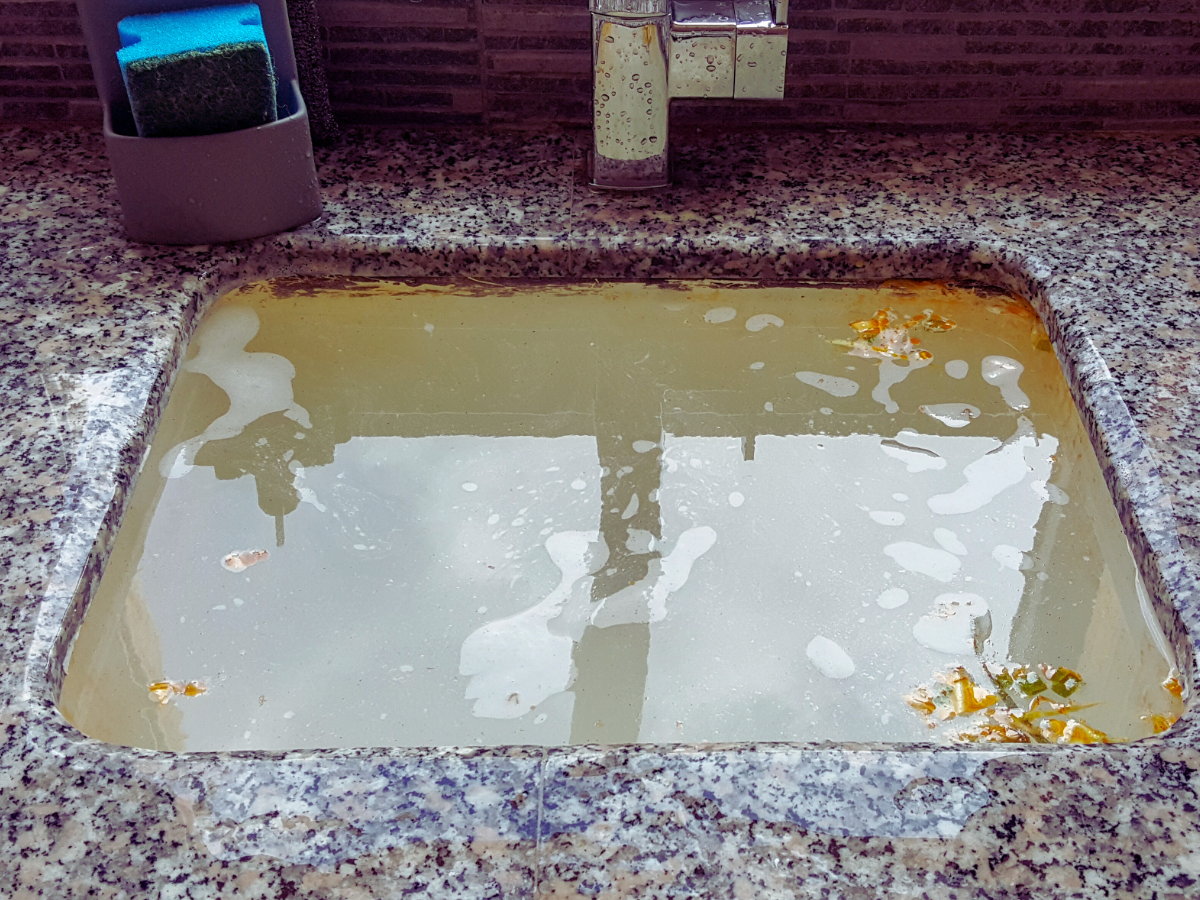 If you’ve noticed any of the following at your home, professional hydro jetting services may be in order:
- Multiple slow drains
- Gurgling toilets
- Sewage smells
- Water backing up into tubs or showers
- Frequent drain clogs
- Standing water near floor drains
- Backups after heavy rain
- Recurring problems shortly after less in-depth drain cleaning services
Hydro Jetting Versus Traditional Drain Snaking
Drain snaking can be a suitable method for addressing localized blockages inside or immediately adjacent to plumbing fixtures. These blockages are generally small and only affect a single drain. The material responsible for causing these small-scale blockages can usually be cleared by simple extraction or by breaking it up and pushing it further down the drain.
Hydro jetting is usually the best response when a large-scale, system-wide pipe backup occurs. The high-pressure hydro jetting nozzle quickly cleans away debris stuck to pipeline walls, removes tree roots and promotes smooth flow through the line for optimal long-term operation.
How Preventive Hydro Jetting Helps Homeowners Save Money
The cost savings associated with hydro jetting are among the many reasons property owners throughout Niceville and surrounding areas appreciate this professional cleaning strategy. The process itself is relatively inexpensive to perform, and making it a part of routine maintenance can help property owners avoid expensive water and sewage damage repairs.
It can also head off repeated service calls due to ongoing drain problems and avert untimely emergency repairs that often happen at night, on holidays and at other inopportune moments.
Is Hydro Jetting Safe for Sewer Lines?
While hydro jetting is safe for most applications, it’s important to perform a thorough sewer inspection prior to any sewer line cleaning or repair task. Conducting an inspection with a waterproof sewer line camera is especially critical for pipes that are potentially old, fragile or damaged. If underlying problems are encountered, the hydro jetting equipment’s pressure can be adjusted to ensure efficient cleaning without unnecessary damage to the system.
Hiring the right professional to manage all projects related to your home’s sewer system is crucial. Hydro jetting should never be attempted by untrained or unlicensed personnel due to the possibility of creating further problems within the piping system.
Why Hydro Jetting Matters for Homes in Niceville, FL
The popularity of lush tropical landscaping featuring large trees and abundant foliage makes homes in Niceville and surrounding areas particularly prone to root-caused sewer line damage. Many of this region’s homes are aging, and outdated plumbing infrastructure often contributes to sewer line issues. Improper disposal of kitchen waste and grease can also cause negative sewer and drain impacts for property owners from all walks of life.
These factors, combined with Florida’s warm, humid environment, make the services provided by the team here at Benjamin Franklin Plumbing extremely important. We offer tailored solutions to meet the specific plumbing needs and sewer challenges of property owners throughout this unique region of Florida.
How Often Should Sewer Lines Be Hydro Jetted?
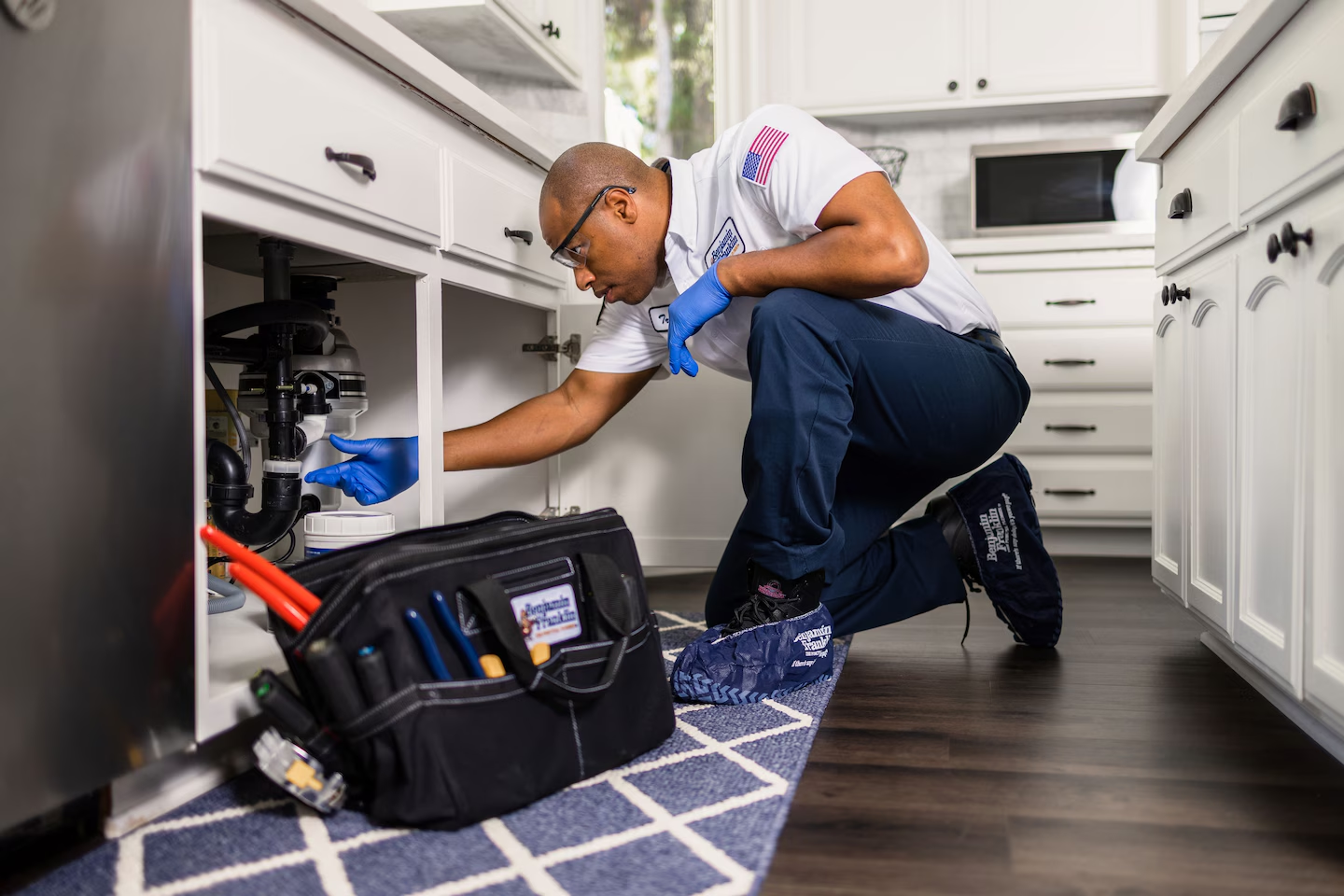 For routine household and commercial maintenance purposes, hydro jetting every one to three years is the general recommendation. Older homes and homes with recurring drain issues often benefit from hydro jetting every year or every other year. Restaurants and other properties with heavy-use plumbing systems may require more frequent hydro jetting services.
While recommended hydro jetting frequencies depend heavily on the condition of a property’s pipeline and its plumbing usage levels, hydro jetting can be performed as often as needed and especially whenever a camera inspection reveals the presence of a blockage caused by grease, roots or accumulated debris.
Frequently Asked Questions
Can hydro jetting completely prevent sewer backups?
Periodic hydro jetting goes a long way toward averting ongoing sewer troubles, but it should only be one tactic in a household’s overall sewer line care routine. Proper disposal of grease and personal care products, responsible location of landscaping plants and regular inspections are other steps that aid in the prevention of sewer backups.
How long does hydro jetting last?
The effects of professional hydro jetting generally last from one to three years. When combined with improved housekeeping strategies like reducing the disposal of grease down the drain and relocating problematic trees and shrubs, the positive results can be extended.
Is hydro jetting better than snaking for sewer lines?
Both drain clearing methods have their respective applications and advantages. Snaking is best used for minor blockages inside or near plumbing fixtures. Hydro jetting is generally best used to address larger blockages in pipelines, sewer laterals and main lines.
Can hydro jetting remove tree roots?
Hydro jetting is a reliable technique for eliminating small to medium tree roots from piping. Extremely large roots may require additional work to remove. Hydro jetting also does nothing to repair actual pipeline damage caused by excessive tree root growth.
Does hydro jetting damage older pipes?
Because it’s not a one-size-fits-all solution, hydro jetting can be used on pipes of almost any age. If a preliminary camera inspection reveals old, fragile or previously repaired piping, the water pressure can be adjusted to clear away debris without causing additional problems.
What are the signs of a sewer line blockage?
Interior warning signs of a sewer line blockage are frequent plumbing backups, foul-smelling drains and water damage to floors and walls. Common exterior signs include damp spots on grassy or paved areas, unexplained erosion around foundations and sunken spots in the vicinity of buried pipelines.
Is Your Property’s Sewer Piping in Need of Professional Hydro Jetting?
 Sewer line troubles rarely fix themselves, and that’s why the skilled personnel here at Benjamin Franklin Plumbing are ready to step in. When sewer buildup starts fighting back, we bring serious pressure to the problem. Our punctual plumbers are capable of delivering fast, reliable hydro jetting services to property owners throughout Niceville, FL and surrounding areas.
Whether you want to get ahead of sewer system issues or need help with a problem that has already developed, contact Benjamin Franklin Plumbing to schedule a consultation and inspection right away.