 Quick Answer – The Difference Between Water & Sewer Lines
A water line brings clean water into a home, usually through sink or shower faucets via a pressure system.
Sewer lines use gravity to take wastewater away from your home, usually to the nearest sewage treatment plant or a septic tank.
They work in parallel to make sure you don’t get dirty water in the shower or the kitchen sink, which can cause serious health problems. Building codes have strict rules about how the two systems are set up to avoid potential contamination.
Key Takeaways
- Water lines deliver fresh water inbound, while sewer lines take waste outbound
- Pressure is used in water lines, while sewer lines use gravity and slopes
- The pipes used for each are made of different materials for both safety and function
- Cross-contamination is extremely dangerous, which is why building codes are designed to ensure safety through spacing and installation
- Both types of line require regular maintenance and inspection to avoid expensive repairs caused by damage
What Is a Water Line?
Let’s take a closer look at what water lines are and how they work.
Purpose & Function
A water line is designed to supply a home with fresh, potable water, generally from the city’s mains or a nearby private well. They are pressurized for consistent flow from the source to your home’s appliances and fixtures.
Common Materials
Water lines are made from a variety of materials, most commonly copper, CPVC, PEX, or similar lead-free substances approved by the city’s building code.
Signs of Trouble
If your home’s water pressure is low, the water is any color other than clear, your water bill is suddenly more expensive, or you have unexplained wet spots in your yard, there might be an issue with your water lines that need to be repaired or replaced.
What Is a Sewer Line?
Now, let’s take a closer look at what sewer lines do.
Purpose & Function
A sewer line takes wastewater/greywater from toilets, sinks, showers, and home appliances. It uses gravity to carry that contaminated water to the city sewer system or a septic tank.
Common Materials
Sewer lines are generally made of materials like PVC, clay, cast iron, or galvanized steel. They need to be stronger because you really don’t want one to break.
Signs of Trouble
Your sewer line may need to be repaired if you notice foul odors, sinkholes/soggy patches in your yard, multiple drains clogging at the same time, or if it starts draining more slowly than usual.
Sewer Line vs Water Line – Side-by-Side Comparison
| Feature | Water Line | Sewer Line |
|---|---|---|
| Purpose | Supply clean water | Remove wastewater |
| Flow Direction | Inbound, pressurized | Outbound, gravity-fed |
| Materials | Copper, PEX, CPVC, lead-free PVC | PVC, cast iron, clay, galvanized steel |
| Pipe Diameter | Smaller | Larger |
| Typical Problems | Leaks, low pressure, contamination | Clogs, backups, root intrusion |
| Health Risks | Contamination from cross connections | Contamination risk if crossing water line |
Why Proper Separation Matters
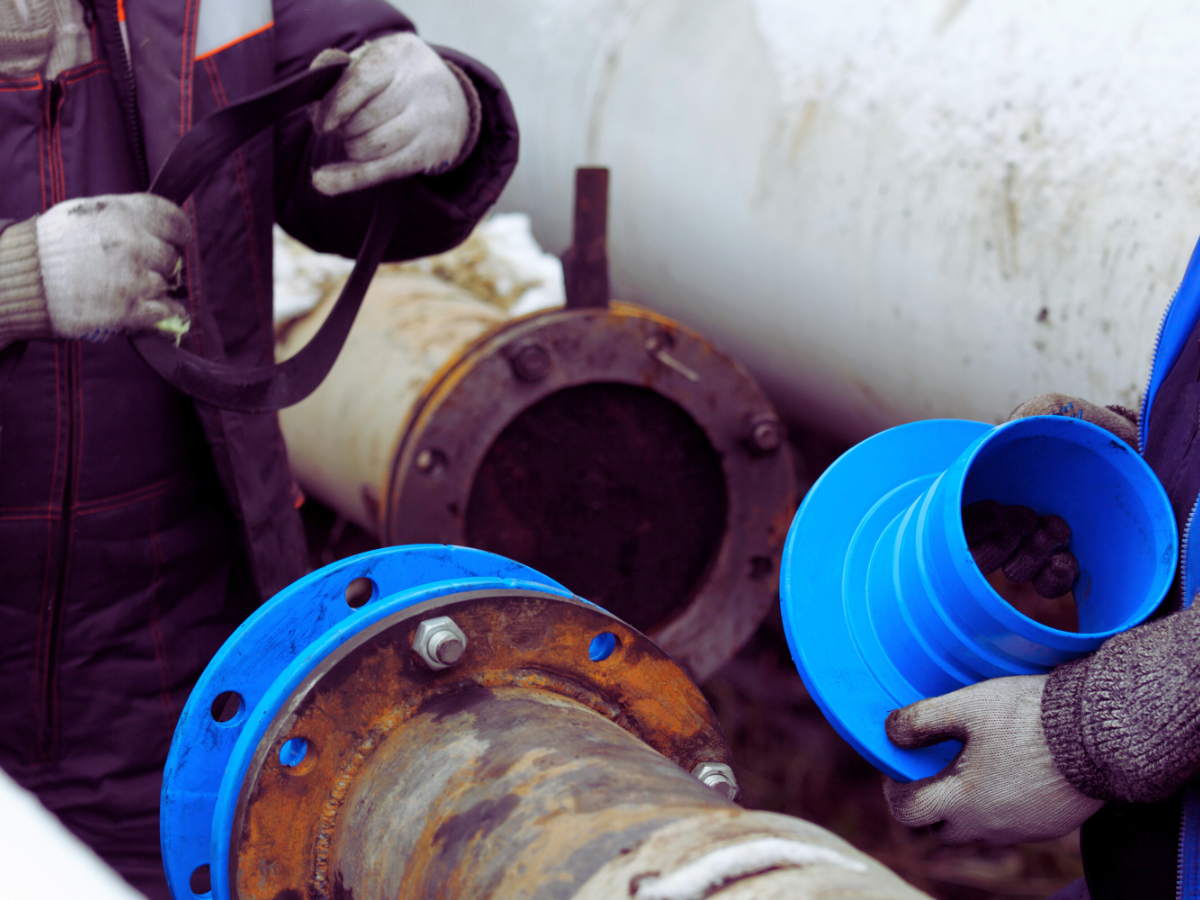 Water lines and sewer lines must always be kept separate to prevent contamination. Most building codes require 10 feet of separation between parallel lines and two feet of vertical separation on the vertical, with the water line always on top. If the space is too compact, a six-inch concrete encasement with 10-foot clearance on either side is required.
Common Causes of Damage
Let’s look at the most common causes of damage for each line.
Water Lines
- Bursting due to freezing temperatuers
- Minerals in water causing corrosion
- Poor installation or shifting ground
Sewer Lines
- Intrusion from tree roots
- Flushing non-biodegradable items
- Collapsed or sagging pipes (known as bellies)
Maintenance Tips
Now let’s look at how to properly maintain your lines to prevent damage.
For Water Lines
- Locate and test the main shutoff valve
- Insulate exposed pipes during winter
- Check for leaks every few years to stop problems from getting worse
For Sewer Lines
- Avoid planting large trees near water or sewer lines, as roots can cause damage
- Use strainers to keep debris out of drains
- Hydrojetting and camera inspections can detect sewer line problems before pipes burst
When to Call a Professional
If you have any unexplained increases in your water bill, a drop in pressure, persistently slow drains, repeated clogs, foul odors, water pooling in your yard, or you suspect cross-contamination between lines, it’s time to call a professional.
FAQs
Can water and sewer lines run in the same trench?
Only if you have building code-approved separations or encasements in place.
Who’s responsible for repairs?
If the line is damaged inside the property boundary, the homeowner is generally responsible. Anything further out is covered by the municipality.
Can I DIY repairs?
If you have a minor leak or clog, you might be able to fix it by yourself. For anything major, you should always hire a licensed plumber.
Call Benjamin Franklin Plumbing, The Punctual Plumbers, For All of Your Plumbing Needs
 Knowing the difference between water and sewer lines can help you spot problems sooner, prevent potential contamination, and save big money on repairs. Quality installation and regular maintenance helps protect your health, your home, and your wallet.
If you’re having water or sewer line issues in Niceville, Florida, or the surrounding areas, call The Punctual Plumbers! At Benjamin Franklin Plumbing, our plumbing experts offer fast, reliable service to all of our customers.
If you need an inspection, repairs, replacements, or have any other plumbing needs, call Benjamin Franklin Plumbing and protect your home’s plumbing system today!