 Opening the mail to find a sky-high water bill can feel like a bad joke. But there’s usually a reason behind the spike, and it’s not always as complicated as it seems. Identifying the cause is the first step toward solving the issue and getting your bill back to normal.
Let’s dive into the most common reasons your water bill might be higher than usual and what you can do about it.
Leaks
Leaks are one of the biggest reason behind high water bills. Did you know the average household wastes nearly 10,000 gallons of water per year due to leaks? That’s enough to fill a small swimming pool.
Even worse, 10% of homes have leaks wasting 90 gallons or more per day. Let’s look at some common sources of leaks…
Toilets
Toilets are the largest water users in most homes, and silent leaks are sneaky. You might not notice anything wrong until you see your water bill.
A simple way to test for a leak is with a dye tablet or food coloring. Drop it in the tank, wait 10 minutes, and see if any color appears in the bowl without flushing. If it does, the flapper likely needs replacing which is a quick, inexpensive fix.
Faucets
A dripping faucet might not seem like a big deal, but over time, it adds up. At just one drip per second, a faucet can waste more than 3,000 gallons of water per year. Tightening the fixture or replacing a worn washer can solve the problem in most cases.
Pipes
Leaky pipes are harder to spot but can wreak havoc on your water bill. Watch for signs like mold, musty odors, water stains on walls or ceilings, or wet spots in the yard.
To test for a hidden pipe leak, check your water meter. Turn off all water in your home and see if the meter still moves. If it does, you might need professional repairs.
Water-Wasting Habits
Sometimes, the issue isn’t a leak, it’s habits we don’t even realize are wasteful.
Common culprits include:
- House guests.
- Overwatering the lawn or garden.
- Taking long showers or using outdated, high-flow fixtures.
- Running dishwashers or washing machines with half-full loads.
- Neglecting pool or hot tub maintenance or failing to use rainwater collection systems.
- Leaving faucets running while brushing teeth or rinsing dishes.
A little mindfulness goes a long way to preventing this issue. Consider updating to water-efficient appliances or simply paying closer attention to daily water usage.
Water Heater Issues
If your water heater is leaking or outdated, it could be contributing to your high bill. Old units are often inefficient, using excessive water to meet demand. I
nspect your water heater for leaks, disconnected components, or rust. If you spot an issue, upgrading to a modern, efficient model can save water—and money—over time.
Town’s Water Rates
Sometimes the issue isn’t inside your home. Water and sewer rates have increased by about 50% over the past decade in many areas.
These rate hikes often cover costs like aging infrastructure upgrades or advanced water treatment methods. If you notice an increase in your bill without a change in usage, research your town’s water rates to see if they’ve gone up.
Seasonal Factors
Changes in water use based on the season can also lead to a higher bill. In summer, activities like filling swimming pools, watering lawns, and maintaining gardens drive up usage.
If your bill spikes during winter, it might be due to running faucets to prevent frozen pipes, although this is less common. Be mindful of seasonal activities and adjust habits where possible.
Faulty Water Meter
While rare, a faulty water meter could be the cause of your high bill. To check, turn off all water sources and monitor the meter. If it’s still moving, there’s likely an issue.
Cross-check your water usage with the meter to confirm accuracy. If you suspect a problem, contact your utility company for assistance.
What to Do If You Have a High Water Bill
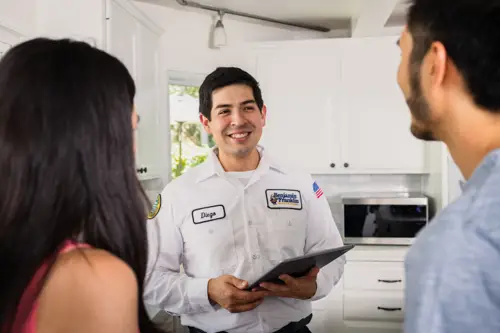 Here’s a step-by-step guide to tackling a high water bill:
- Check for common causes: Inspect for leaks in toilets, faucets, pipes, and water heaters.
- Conduct a home inspection: Use your water meter to test for hidden leaks. Look for unusual signs like water stains, mold, or wet spots.
- Contact your utility company: Many cities can monitor for continuous water use, which often indicates a leak. Some utilities even send notifications if they detect unusual usage patterns.
- Hire a professional plumber: If you can’t find the issue, bring in an expert to inspect your plumbing system.
Water Bill Reducing Solutions
Reducing your water bill often means making small, impactful changes.
Here are some tips:
- Install low-flow fixtures: Swap out toilets, showerheads, and faucet aerators for water-efficient models.
- Upgrade appliances: Look for high-efficiency dishwashers, washing machines, and tankless water heaters with ENERGY STARⓇ certification.
- Use smart systems: Install irrigation systems or dual-flush toilet conversion kits.
- Schedule regular maintenance: Regular plumbing checkups can prevent leaks and inefficiencies before they become major problems.
We Can Help With High Water Bills
 If you’re struggling to figure out why your water bill is so high, the punctual plumbers at Benjamin Franklin can help. We specialize in everything from fixing leaky faucets to repairing water lines.
Serving Niceville, FL, and surrounding areas, we’re here to solve your plumbing problems quickly and efficiently. Give us a call today!
FAQs
Why is my water bill suddenly higher?
It could be due to leaks, seasonal water use, rate increases, or faulty fixtures.
How can I test for leaks at home?
Use your water meter to check for movement when all water sources are off, or try a dye test in toilets.
Can a high water bill be caused by a faulty water meter?
It’s rare, but possible. Contact your utility company if you suspect your meter is inaccurate.
What are the most common sources of leaks?
Toilets, faucets, and pipes are the usual culprits. Water heaters can also leak and waste water.
Final Thoughts
High water bills are often caused by leaks, changes in usage, or seasonal factors. Regular inspections and mindful habits can help keep costs down.
If you can’t find the source of the problem, contact your utility company or a plumber for help. Addressing the issue promptly not only saves you money but also conserves water. Thats a win for both your wallet and the environment.