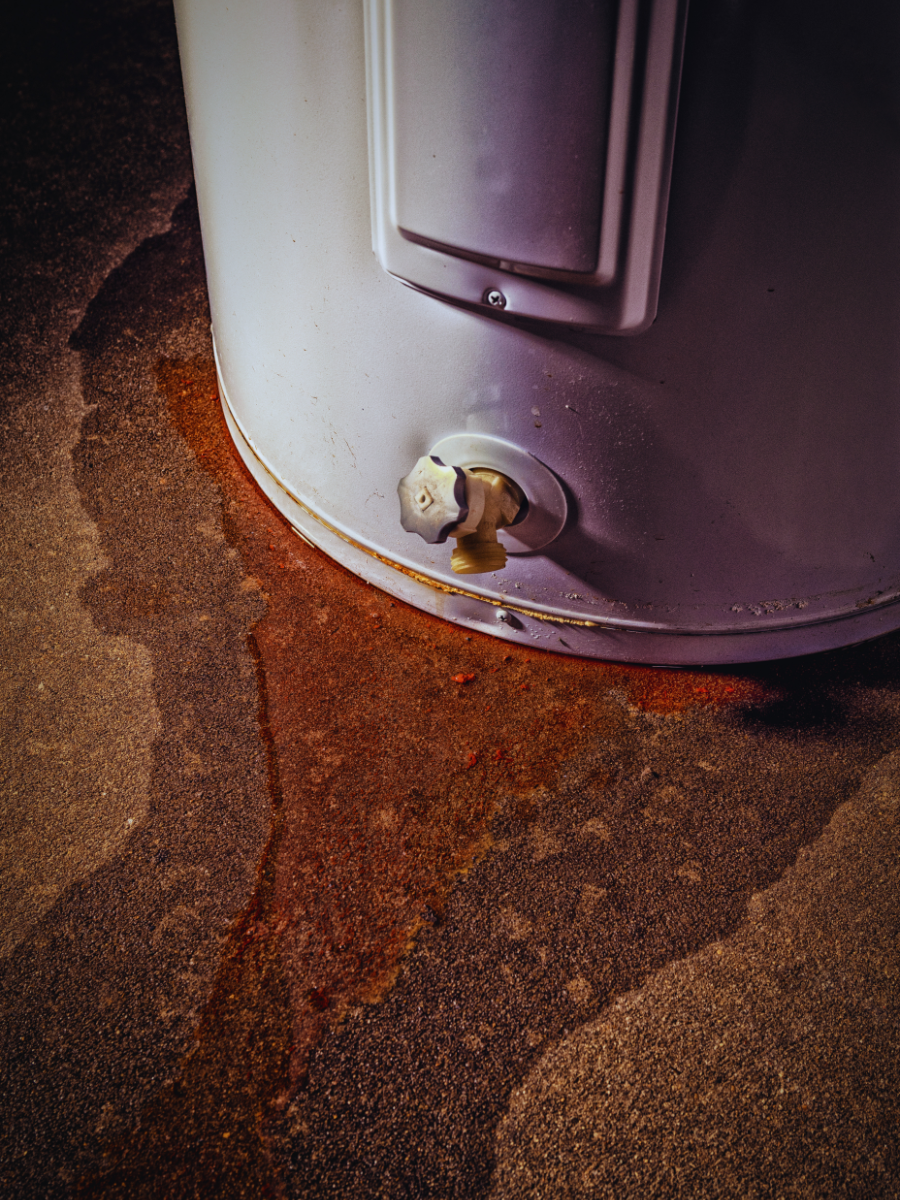
 Hard water is a common problem for many Niceville, FL homeowners. As it travels through local plumbing systems, it leaves behind sediment that tends to collect in the most inconvenient places — including water heaters. This causes a variety of frustrating issues, from ominous noises and increased energy use to inconsistent and unreliable hot water supplies.
Naturally, it also raises lots of questions. Why does this happen? What are the warning signs? How can you fix it? To get the answers, let’s take a deep dive and break it all down.
Quick Takeaways
- Hard water has elevated levels of minerals like calcium and magnesium
- Minerals accumulate inside water heaters to form sediment and scale deposits
- Hard water deposits reduce efficiency and wear out water heaters prematurely
- Typical signs include lack of hot water, high energy bills and loud, unusual noises
- Regular tank flushings and water softener systems are effective preventive measures
- Significant mineral deposits may necessitate professional water heater repairs
What Is Hard Water in a Water Heater?
Hard water is very high in dissolved minerals, most often magnesium and calcium. When stored and heated in a water heater, these minerals become less soluble and begin separating out. This produces sediment and scale deposits that gradually build up inside the tank, preventing the system from working properly.
How Hard Water Affects a Water Heater
While hard water generally isn’t harmful to consume, it can be surprisingly damaging to water heaters. To understand why, we need to focus on four key points:
- Scale and Sediment: Hard water forms two types of mineral deposits inside a water heater. Sediment consists of loose, granular particles that usually settle and accumulate on the bottom of the tank. Scale is more like a hard, flaky crust that forms on surfaces and can be difficult to remove.
- Heating and Water Storage: Sediment steadily piles up over time, displacing water and cutting into the water heater’s storage capacity. It can also put pressure on the tank and clog up the drain valve. Scale is even more insidious, often adhering directly to the tank walls and the heating element.
- Efficiency and Performance: As hard water deposits build up, they affect performance in several ways. Hot water begins running out more quickly, wasting energy and requiring more frequent heating cycles. Scale and sediment cover the heating element, inhibiting heat transfer and further reducing efficiency.
- Long-Term Wear and Tear: The more inefficient a water heater becomes, the harder its components have to work to compensate. This alone is enough to inflict major wear and tear, but hard water can also be more directly damaging. Scale deposits cause localized hotspots by trapping heat and water, which can damage the tank’s protective lining and increase the risk of cracking and corrosion.
Signs of Hard Water in Your Water Heater
Because hard water issues usually develop gradually, it’s not always apparent when your water heater is struggling. It’s important to pay close attention to any unusual signs or red flags, such as:
- Rumbling, popping, banging or other loud noises
- Quickly or frequently running out of hot water
- Slow heating or inconsistent water temperatures
- Energy bills rising for no obvious reason
- Cloudy or discolored water from hot taps
The Risks of Ignoring Hard Water Problems
Even if your water heater is currently working fine, hard water buildup is a headache that won’t just go away. Failing to take action can have serious consequences, unnecessarily costing you time, money and peace of mind.
Inadequate Water Heating
It’s easy to take your water heater for granted — until it starts acting up. With too much mineral buildup, you may find yourself constantly running out of hot water and waiting ages for your taps to heat up.
Escalating Energy Costs
Hard water is the enemy of efficiency. The more sediment accumulates, the more energy — and therefore cash — your water heater will burn through each and every month.
Leaks and Corrosion
Mineral deposits can overheat and break down a tank’s lining, allowing water to penetrate and reach the outer steel wall. This causes corrosion, which can lead to leaks and even complete tank failures.
Worsening Reliability
Letting hard water build up in your system is a recipe for trouble, making malfunctions and breakdowns almost inevitable. Don’t forget to budget for plenty of water heater repairs.
Premature Replacement
Modern water heaters are typically expected to last a decade or more, but scale and sediment can significantly shorten your system’s lifespan. Why waste money needlessly replacing your worn-out equipment every few years?
How To Fix Hard Water Issues in a Water Heater
As serious as the threat of hard water is, the solutions are surprisingly simple. Some tasks are easy enough to do yourself, while others require expert assistance.
Flush the Tank Regularly
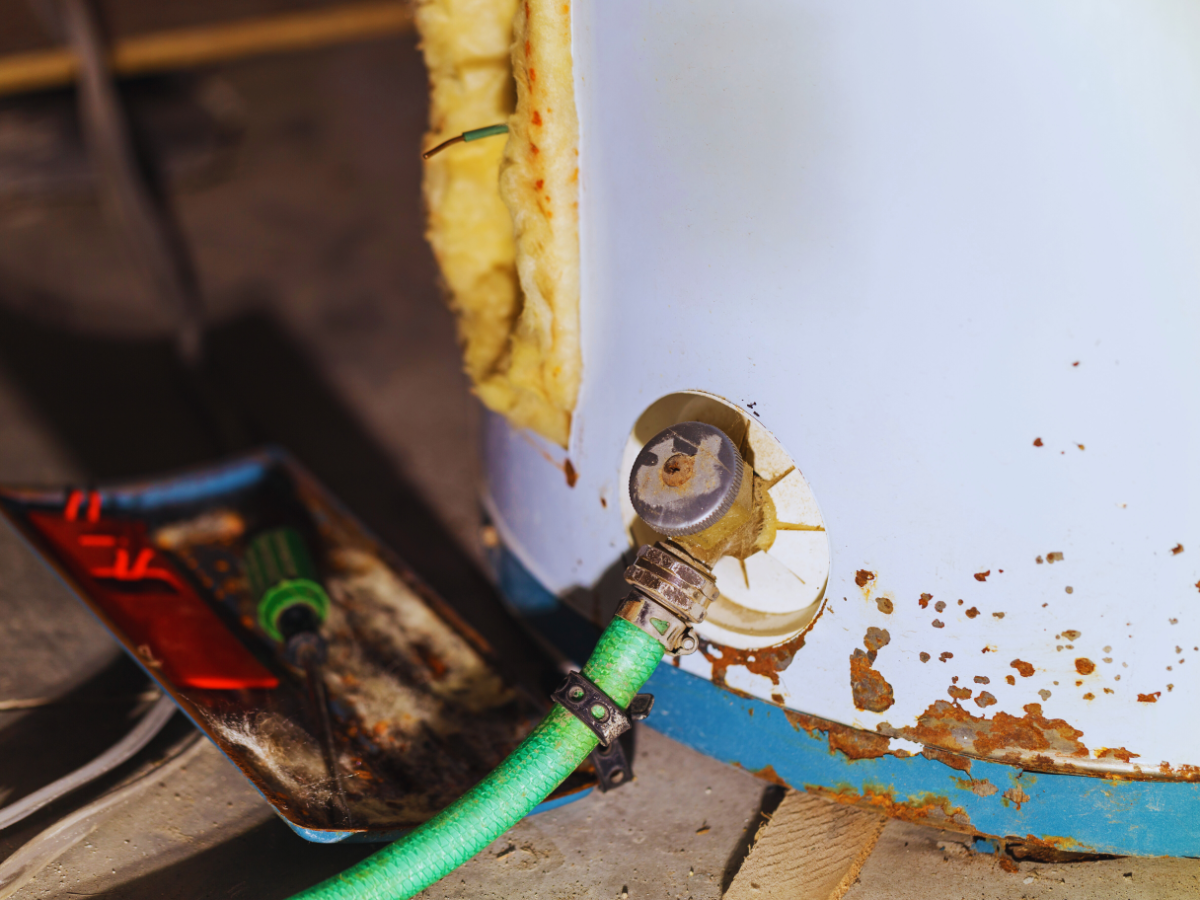 If you have hard water, flushing your water heater at least once a year is essential to clear out the tank and prevent sediment buildup. It’s also a job you can tackle in an afternoon with just a few basic supplies. Here’s how:
1. Turn off the breaker or gas valve and allow the water heater to cool.
2. Close the cold water shutoff valve above the tank.
3. Attach a hose to the drain valve and run it outdoors or into a floor drain.
4. Turn on any hot water tap in your home and open the drain valve, allowing the tank to empty.
5. Open the cold water valve and allow fresh water to flush the tank.
6. Shut the drain valve, remove the hose and allow the tank to refill completely.
7. Restore gas or electricity to the water heater and wait for it to reheat.
Descale the System
In some cases, flushing alone may not be enough to remove major mineral deposits. For a deeper clear, you can descale the system by beginning the same steps as above. Instead of emptying the tank, however, drain only a few gallons of water and refill with descaling solution. In a pinch, you can also use white vinegar.
Let the solution sit for at least four hours, giving it time to break down the scale and sediment. Finally, finish the rest of the flushing process, flushing with fresh water until no smell remains.
Replace Heating Elements
Hard water takes a toll on every part of a water heater, but it’s especially rough on heating elements. They often fail prematurely, rendering the water heater inoperable. Luckily, that doesn’t mean it’s the end of the road.
Replacing a bad heating element is a common and straightforward water heater repair. It’s also more affordable than you might think.
Install a Water Softener
A whole-home water softener doesn’t just help keep your water heater healthy — it protects your entire plumbing system. Water softeners actively treat hard water before it even flows through your home, neutralizing damaging minerals and stopping the buildup of scale and sediment.
To sweeten the deal, you’ll also enjoy all the other perks of softer water — healthier skin and hair, improved household cleaning, soft and fluffy laundry and more.
Practice Prevention To Limit Hard Water Damage
Being proactive can save you a lot of trouble when it comes to hard water. There are several steps you can take to limit the damage and safeguard your water heater, including:
- Sticking to a regular maintenance and flushing schedule
- Scheduling annual plumbing and water heater inspections
- Testing and monitoring your local water quality
- Installing a dedicated water softener system
Tank vs. Tankless: Which Handles Hard Water Better?
Considering what mineral deposits do to water heater tanks, you might assume tankless water heaters would be better suited for homes with hard water. Alas, it’s not quite that simple.
Instead of storing hot water, tankless systems rapidly heat water on demand as it passes through a heat exchanger. This causes scale to form along the narrow channels inside the unit, which can easily become obstructed. As a result, tankless heaters are very susceptible to low water pressure, overheating and other issues.
Ultimately, neither type of water heater is clearly superior in hard water areas. Both offer advantages and disadvantages, and both require regular maintenance to avoid trouble.
When To Call a Professional for Water Heater Repair
No matter how handy you are, some problems are too risky or complicated to handle on your own. Reach out to a trusted plumbing professional if you encounter:
- Loud noises that continue after flushing
- Unsteady heating or total loss of hot water
- Visible sediment, corrosion or leaks
- Poor and steadily worsening efficiency
- Overheating, resetting or shutting down
Frequently Asked Questions
Does hard water damage a water heater?
Yes, especially if left unchecked. Hard water leaves behind scale and mineral deposits that can compromise the water heater’s performance, increase wear and tear and ultimately shorten its lifespan.
How do I know if my water heater has sediment buildup?
The clues are usually easy to spot once you know them. Telltale signs include popping or rumbling noises, unpredictable changes in water temperature, rising utility bills and a reduced supply of hot water.
Can flushing a water heater remove hard water buildup?
Yes and no. Regular flushing effectively clears out loose sediment, but solidified scale buildup is another matter. Stubborn deposits often require professional cleaning using specialized tools.
Is a water softener necessary for hard water?
Not exactly, but it’s very highly recommended. A whole-home water softener is the easiest, most cost-effective way to protect your water heater and plumbing system from sediment buildup and other hard water issues.
How often should I flush my water heater with hard water?
Plan on annual flushes at a minimum. For particularly hard water, you may need to repeat the process twice a year.
How does hard water affect an anode rod in a water heater?
Hard water wears down the anode rod faster by attracting more minerals. Once depleted, the tank becomes more prone to rust and corrosion.
Need Help With Hard Water in Your Water Heater?
 If your water heater is showing signs of hard water issues, the clock may already be ticking. Don’t let it run out. Act now and call the experts at Benjamin Franklin Plumbing for fast, friendly service all across the Emerald Coast.
We’re proud to be Niceville’s punctual plumbers, and we’re always here to deliver top-notch water heater repair services when it matters most. Contact us today to schedule a convenient service visit and see what we can do for you!